
Ever since I can remember there’s been a rite of passage of sorts for Israeli young people when they finish their army service. There’s even a name for it – the trip after the army. (in Hebrew it sounds a bit better). Two of our five kids took their respective turns with this rite of passage. Each spent a year traveling the world. Australia, New Zealand, Thailand, Laos, Cambodia, Vietnam, New York City.
But for the past decade, the destinations of choice have been South America and India.
India often includes Nepal and SE Asia but the main component is India, and the main components in India are Dharamsala as the gateway to the North and on into the Himalayas – Manali, Leh, and Ladakh.
There’s a window of opportunity to be in Northern India. Many of the roads, not the safest mountain roads even in the best of weather, are closed for much of the year due to snow and ice. We’d planned on making it up there on our second trip but Covid had other plans for us. On our current trip, we were finally in the right place at the right time.
At the risk of sounding like a yoga heretic, I wasn’t at all excited about the idea of going to Dharamsala. Many of my students have spent time there. After Rishikesh it’s THE place to go. In my mind, though, it was a mountainous town with steep climbs every time you go out of your lodging, and hundreds of yoga wannabees. It’s also known for its varied workshops but I wasn’t really in a workshop state of mind.
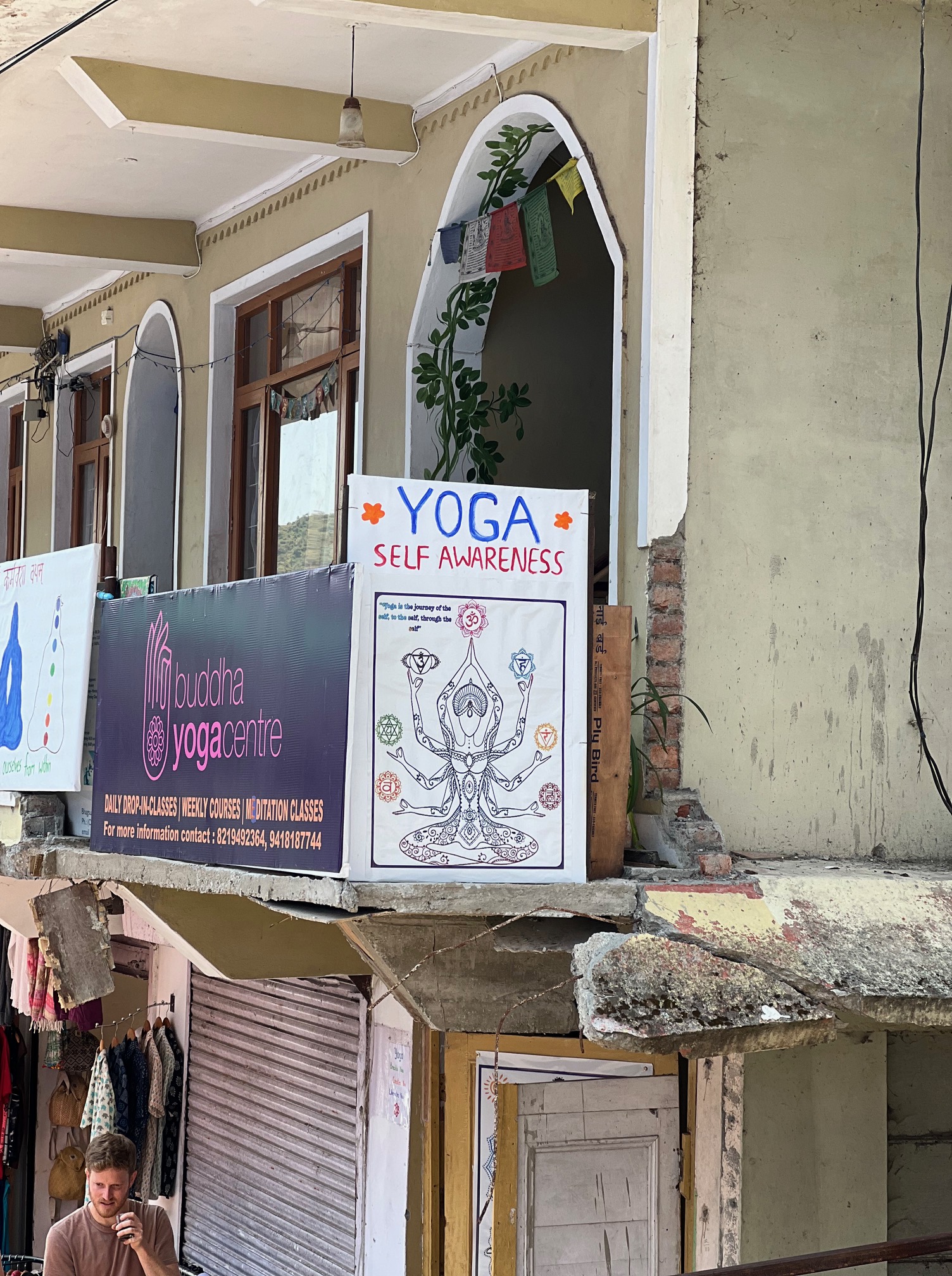
At first, we planned 10 days there but as the time to make final arrangements got closer the less I wanted to dedicate such a big hunk of time – if any – to it.
Dharamsala is divided into four sections; the city of Dharamsala, the lowest point, McLeod is next, home to The Dalai Lama and the Tibetan refugees, then Bagsu, and finally Dharmkot.
The Dalai Lama and I had a falling out many years ago, though he’s not aware of it. I was disappointed in his statements about the Arab/Israeli problem which reflected an appalling lack of knowledge of the history of the area. He’s since carefully avoided speaking about the issue so I suspect that he recognized his oversimplification of a complicated situation. Nevertheless, I wasn’t interested in trying to schedule an audience with him.
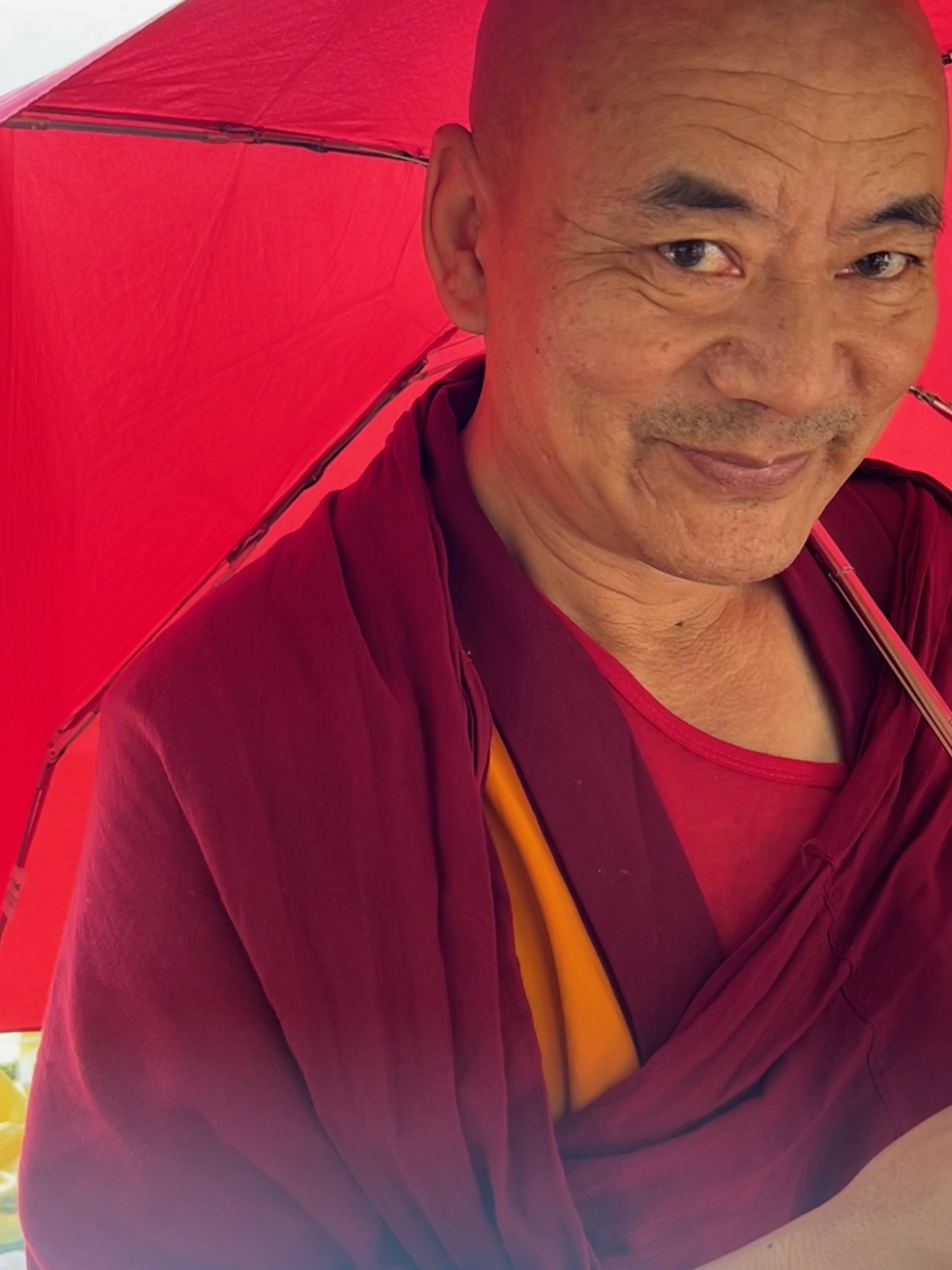
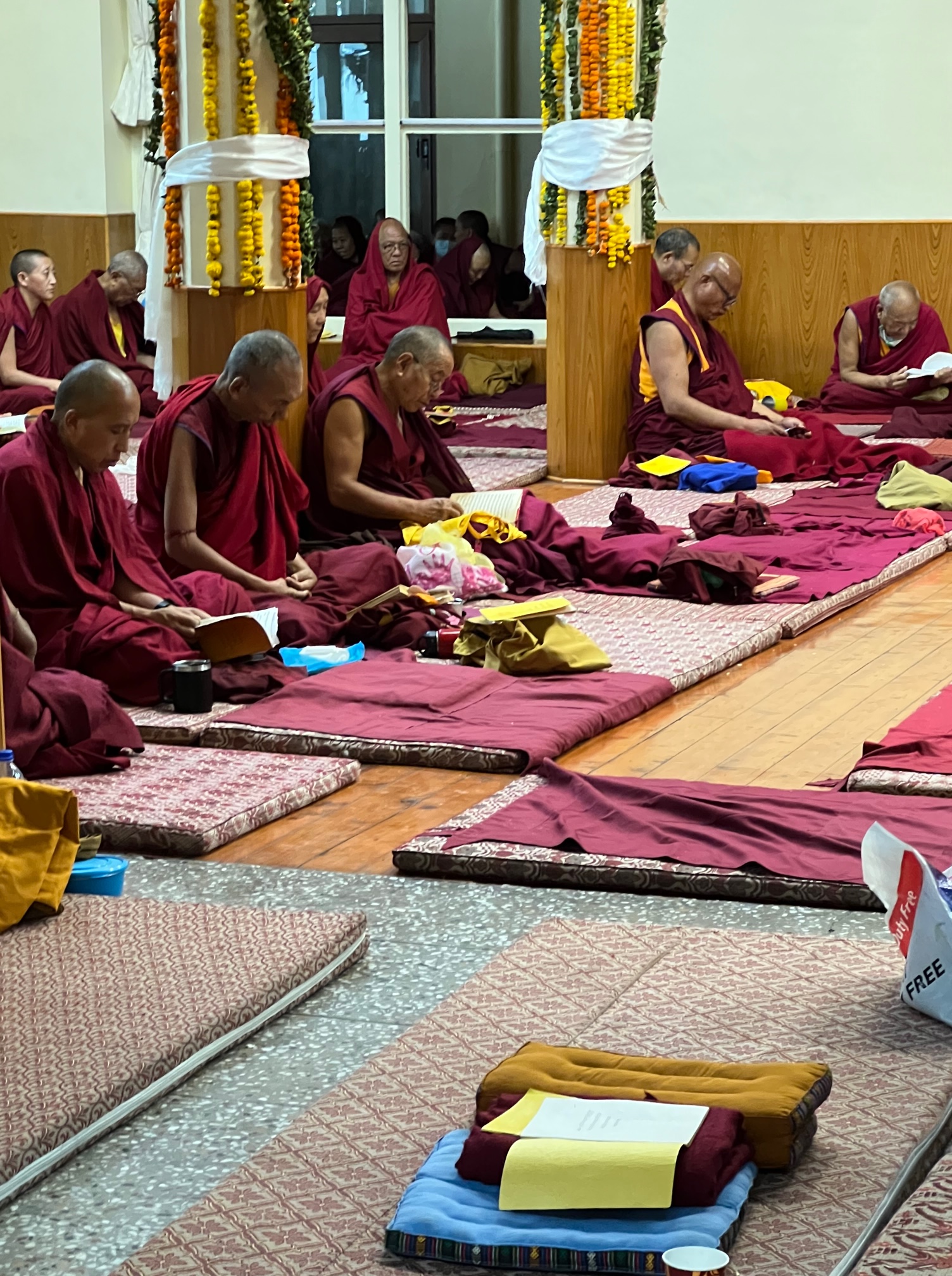

I was, however, interested in learning more about the motivation behind the arrival of thousands of young Israelis in Dharmkot and Bagsu every year. So we decided to spend five days of investigation in Bagsu.
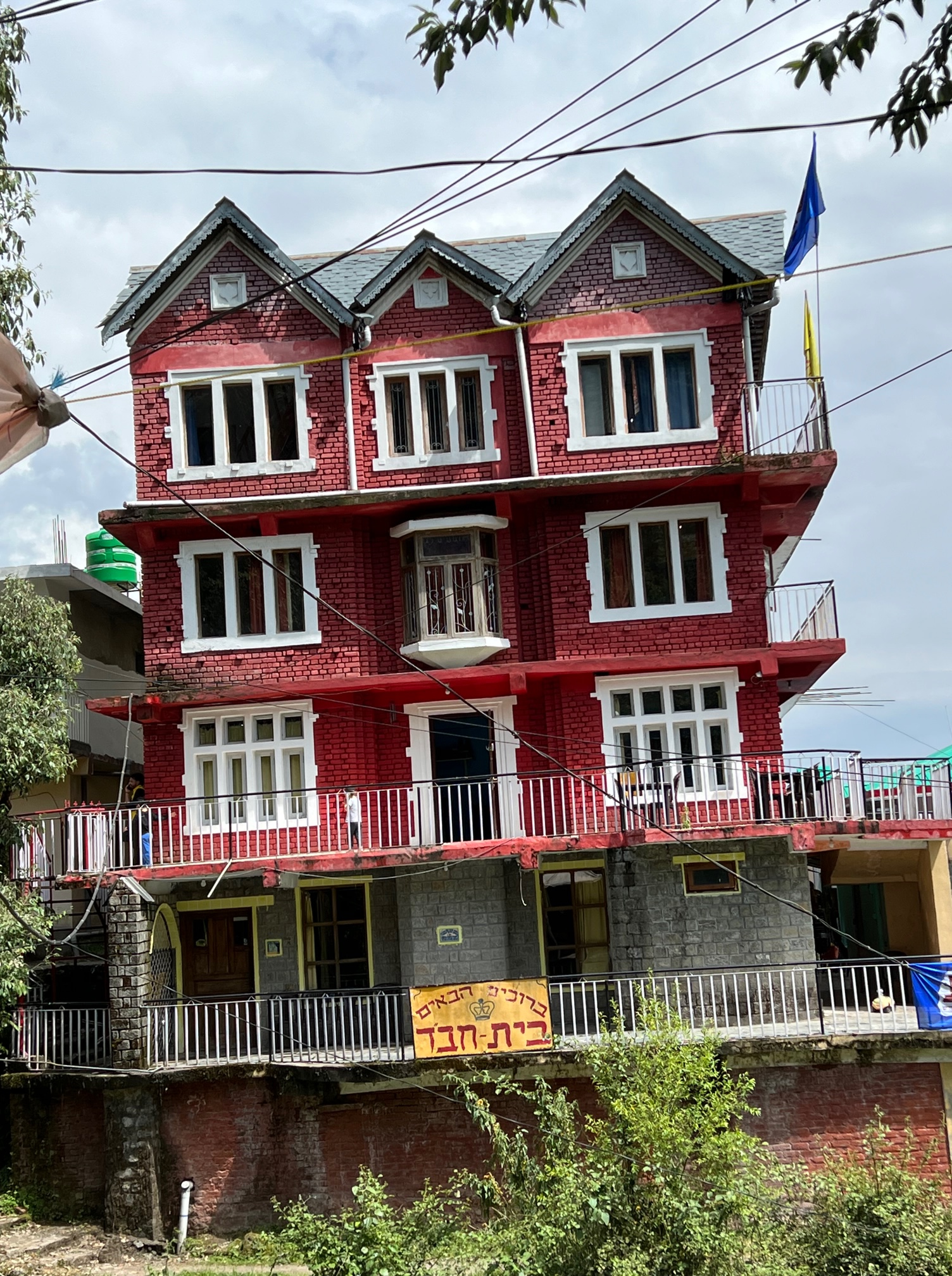
True to form but still a shock to our systems, the language heard most on the streets and in the shops of Bagsu and Dharmkot is Hebrew. The shopkeepers, restaurant servers, and hotel staff speak passable Hebrew. Many signs are in Hebrew. There are Israeli foods on the menus. There are two Chabad Houses, one in Bagsu and one in Dharmkot. Chabad provides a home away from home for traveling Jews, with kosher food, religious services, and a meeting place to schmooze with similar people, secular and religious.
When our youngest daughter was on her “trip after the army” she said she learned very quickly to keep her distance from other Israelis. It wasn’t a snobby thing or a dislike of her compatriots. She was interested in getting a feeling for the culture and people of the countries she was visiting. She said that Israeli young people tend to travel in groups of 12-14, speaking Hebrew enthusiastically (read: loudly), making it difficult to go places with narrow passages or restricted access and a challenge to get close to and speak to natives. She wanted to do volunteer work with families in need in Laos and in an institution for children damaged by landmines in Cambodia – acitivities not well suited for large groups.
As we traveled through India, even though we tend not to travel the “hummus trail” – the places most frequented by Israelis – whenever we saw Israelis they did, in fact, tend to be in groups and happily so.
But it wasn’t until we got to Dharamsala that we gained an understanding of the phenomenon.
As it turns out, people travel to India for several different reasons.
We, like our daughter, are interested in the many varied cultures and societies, the family structures, the generational trends, the various religions and religious practices, political positions, and how people get through the day, the month, physically, and financially. That dictates how we travel (on trains and other public transport rather than hiring a car and driver), where we stay (not in 5-star hotels too expensive for most Indians), and the destinations we choose. It means that my partner has been studying Hindi seriously and can carry on a bit of a conversation with Hindi-speaking Indians. (I rely on my excellent app) It means that over the years we’ve made friends in India with whom we now visit whenever we’re in the country.
There are people who go to India for spirituality. It’s in the very air people breathe there. For the hundreds of thousands of people who found and developed their inner spirituality in Buddhism or in India in general at one time in their lives, a few weeks in India revitalize and reinforce that equanimity and balance in their lives.

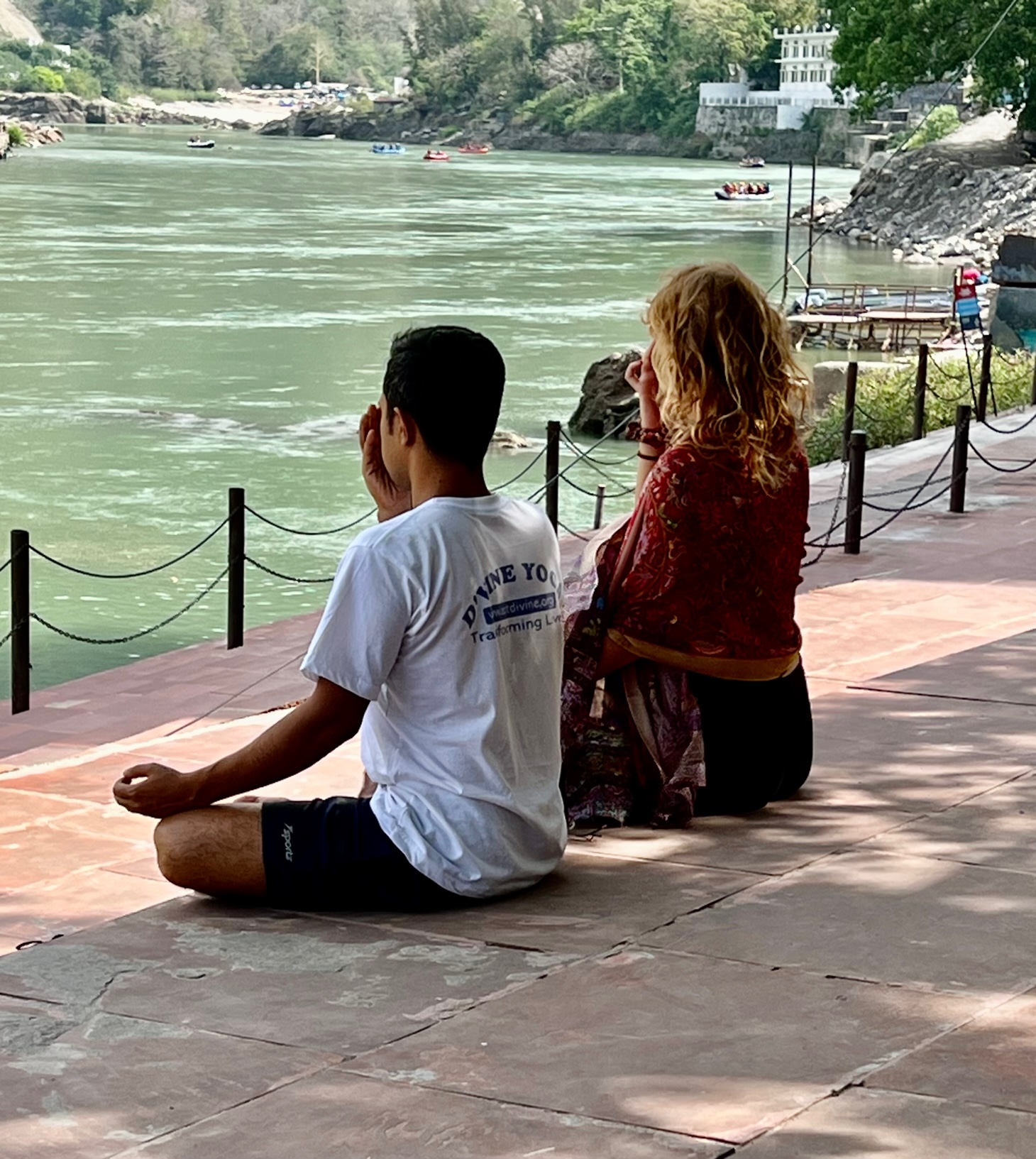
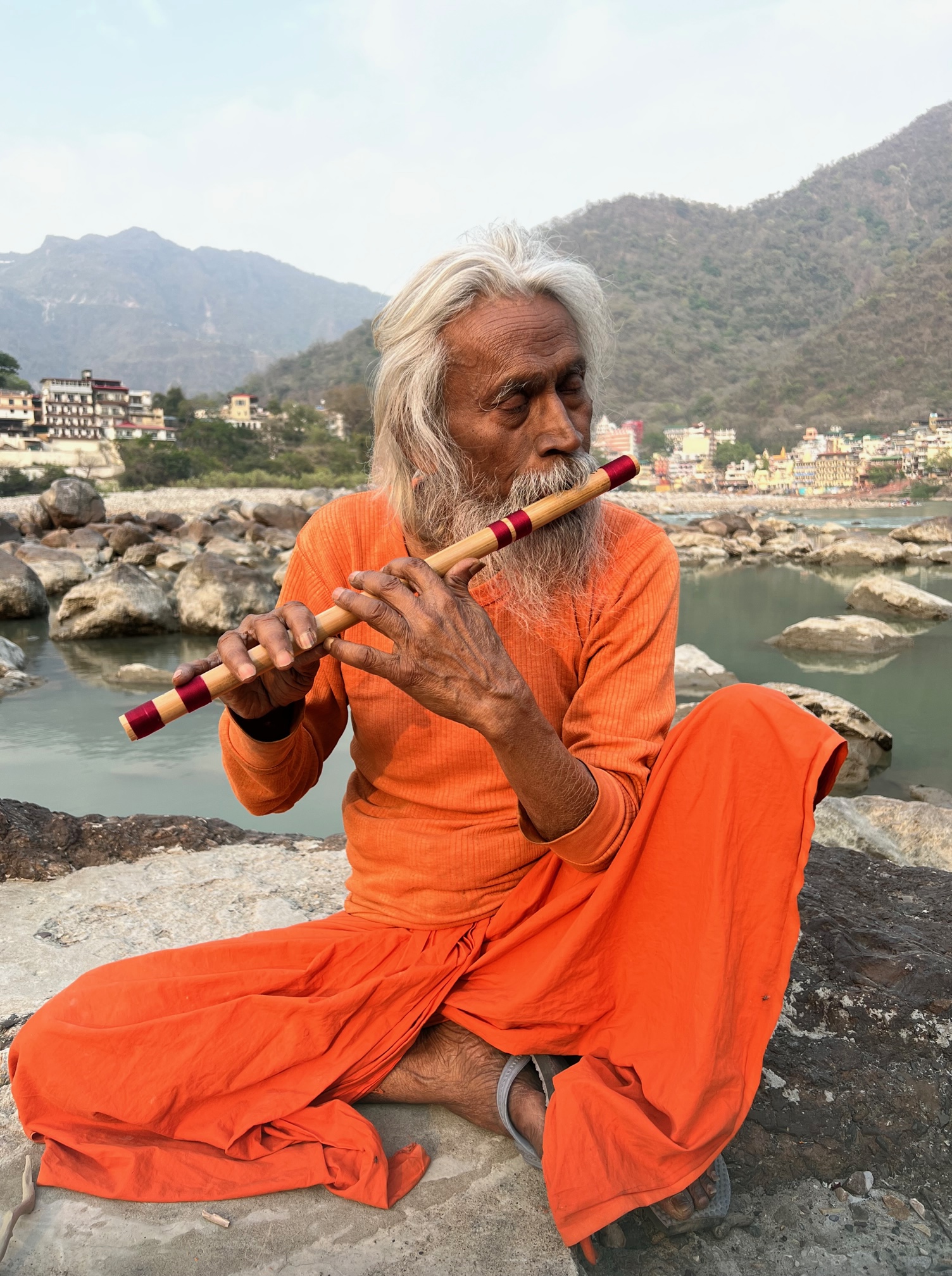
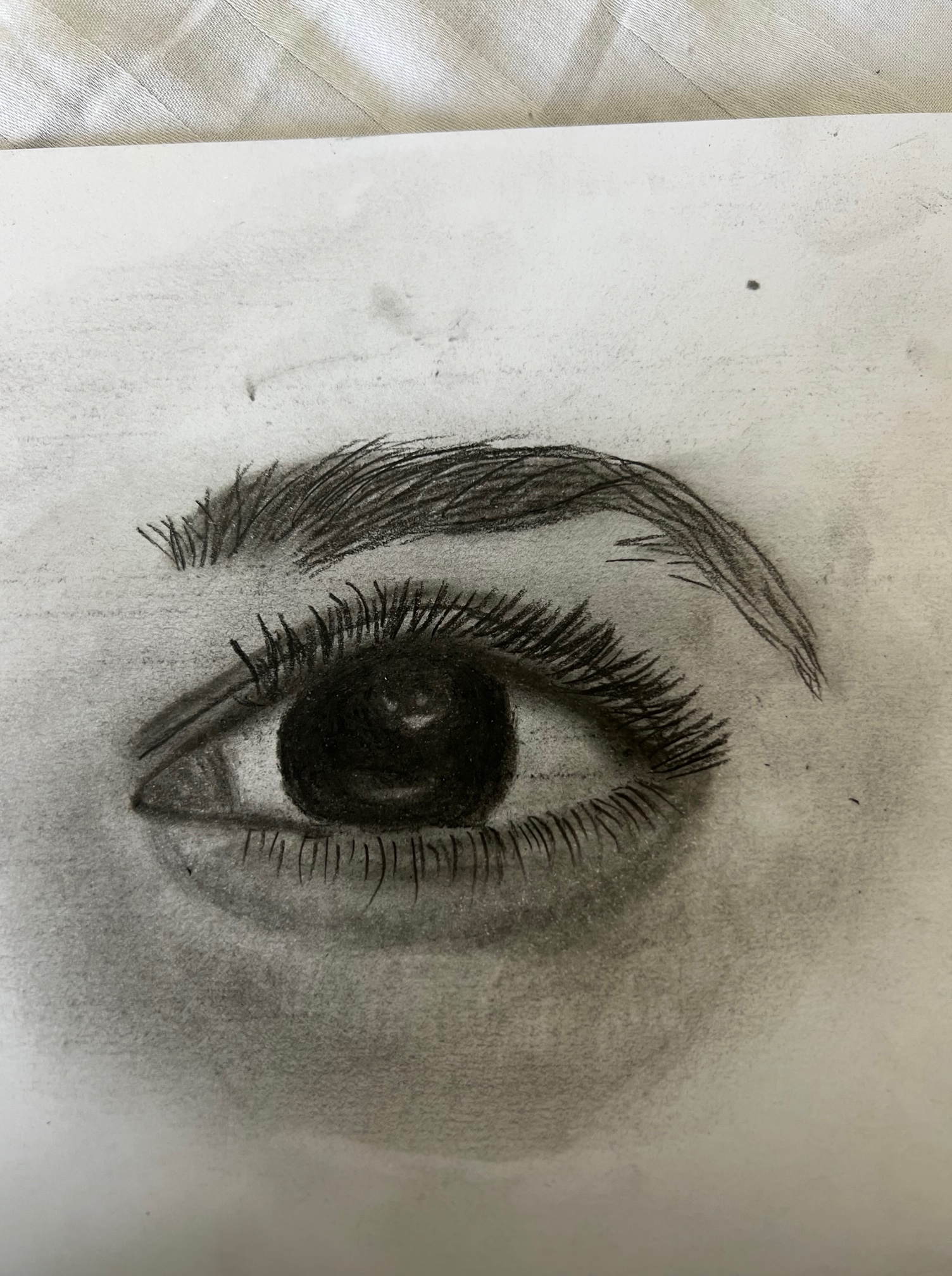
There are people who go to India for a variation of spirituality – inner peace, inner quiet, what’s called shanti in Hindi – an absence of the stress and tension of Western life. Although Indians drive like maniacs, hooting their horns for no apparent reason as well as when they’re passing someone with only 4 centimeters to spare, in other areas of their lives they project basic quiet happiness, peaceful acceptance, and interest without being intrusive. Coming as I do from a society where people not only drive like maniacs but exude an energy that vibrates like lightning, always running after the next thing, the better thing, rarely satisfied with what is, once I decompress during the first couple of days in India I can feel my emotional borders opening up, my natural curiosity blossoming, my breath deepening, my muscles relaxing. I sleep better. I feel lighter. My mind opens to all sorts of possibilities.
This time I learned to play the Indian flute, sketch, draw traditional Kolam chalk drawings and do hand and ear reflexology.


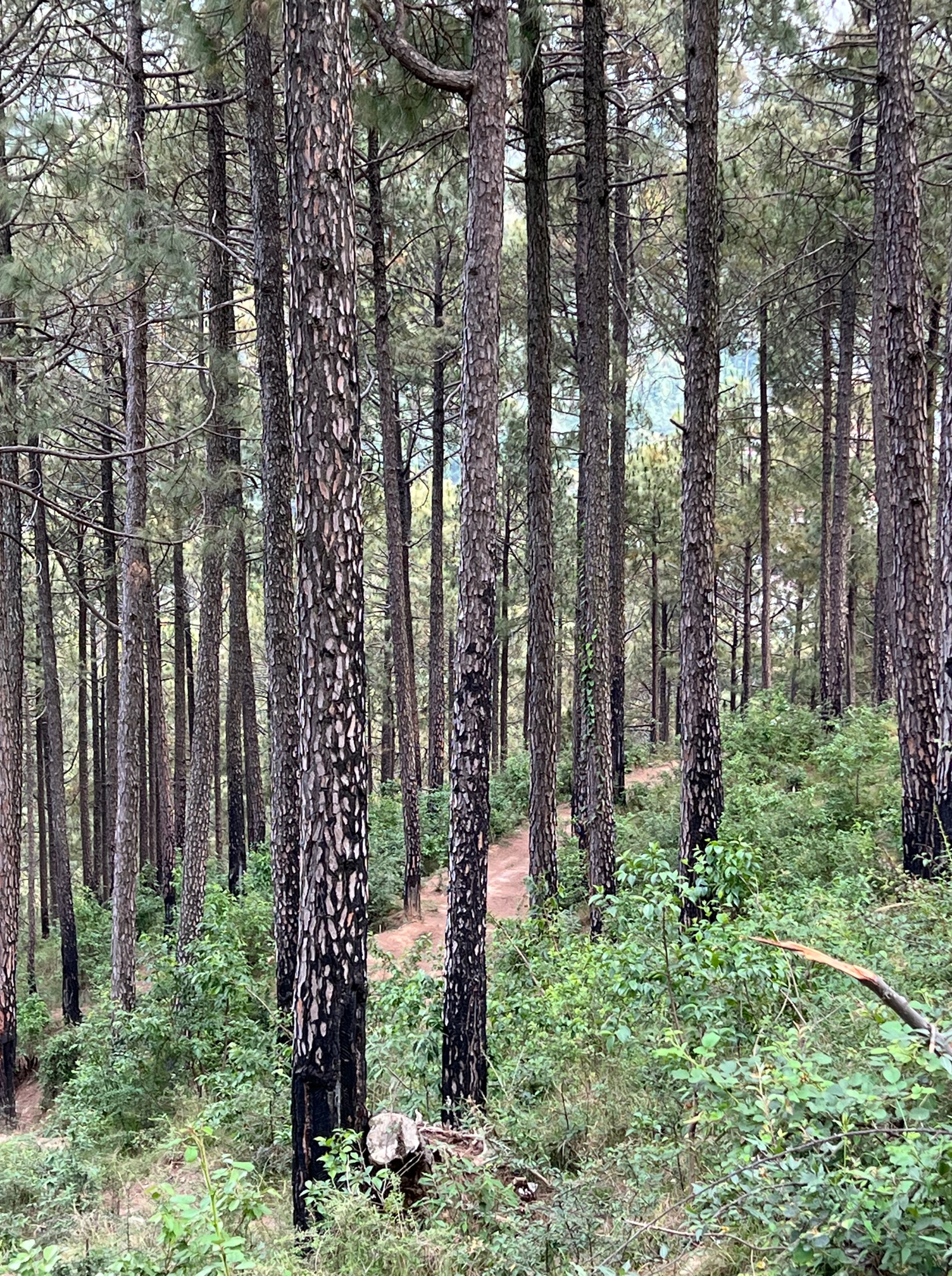
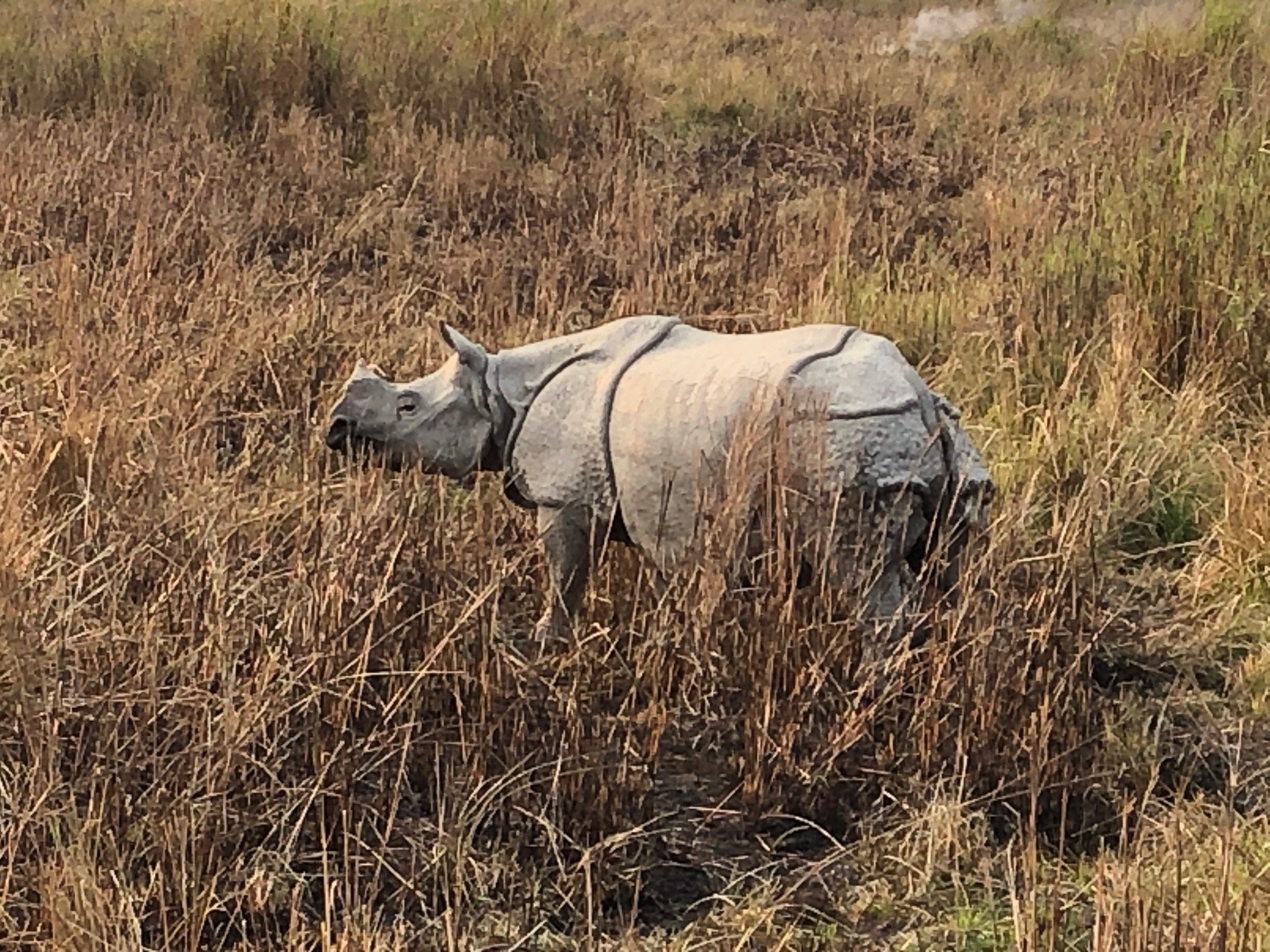
There are those who go to India for the incredible natural beauty found there. From the beaches of Goa to the heights of The Himalayas. There are one day easy hikes and two week treks with stopping points set up for spreading out a sleeping back along the way. There are awesome waterfalls hidden away, the sight of which is earned by days of climbing, lakes, rushing rivers, forests, all accessible to the strong of body and heart. There are tigers, leopards, bears, and the rare, verging on extinct, white rhinoceros of Kazaranga.


And then there are Israeli young people.
I’m sure there are Israeli young people whose motivation is found in one or more of the categories above but my impression after sitting and asking them and listening to their answers is that they’re in a category all their own.
They’ve just finished two years or more in a highly structured environment, the military, where they have little or no control over how they spend their time, how they dress, how they speak, when they sleep or eat. Not only two years with no control over their lives but, for many of them, a life interspersed with hours or days of danger and tension. Israel has one of the toughest military services in the world. Our country is always in a state of existence/non-existence and we rely heavily on these young men and women who spend at least two years training and guarding and protecting us every day. Without them our country would’ve ceased to exist long ago. It’s a heavy responsiblity to place on their young shoulders, but a necessary one.


Israelis at heart are a lively, joyful, energetic people. They don’t like discipline – in their families, in school, on the roads. They lack the spit and polish of the US Marine, the starched, ironed appearance of the British, the punctuality of the Germans. And yet they step up and serve for two years, suppressing (more or less) their tendency to scoff at authority.
And once it’s over – they’ve survived – they go to India.
India is so cheap, they can travel, spending the night in groups of 3 and 4 to a room, for a full year. No time restrictions. No dress restrictions. No family obligtions. They can wake up in the morning (maybe at noon or later) and decide to grab a sleeper bus to a place they’ve heard of from a fellow traveler…or not. And they can do all this in their native tongue with other young people just like themselves; who know what they’ve been through and where they come from. If the prices, accessible trasportantion, and natural beauty were available in a different country they might choose that country. It’s not India per se. Not the culture or the spirituality or the people of India.
They’re young people who have earned this amazing possibility to return to their exuberant selves.
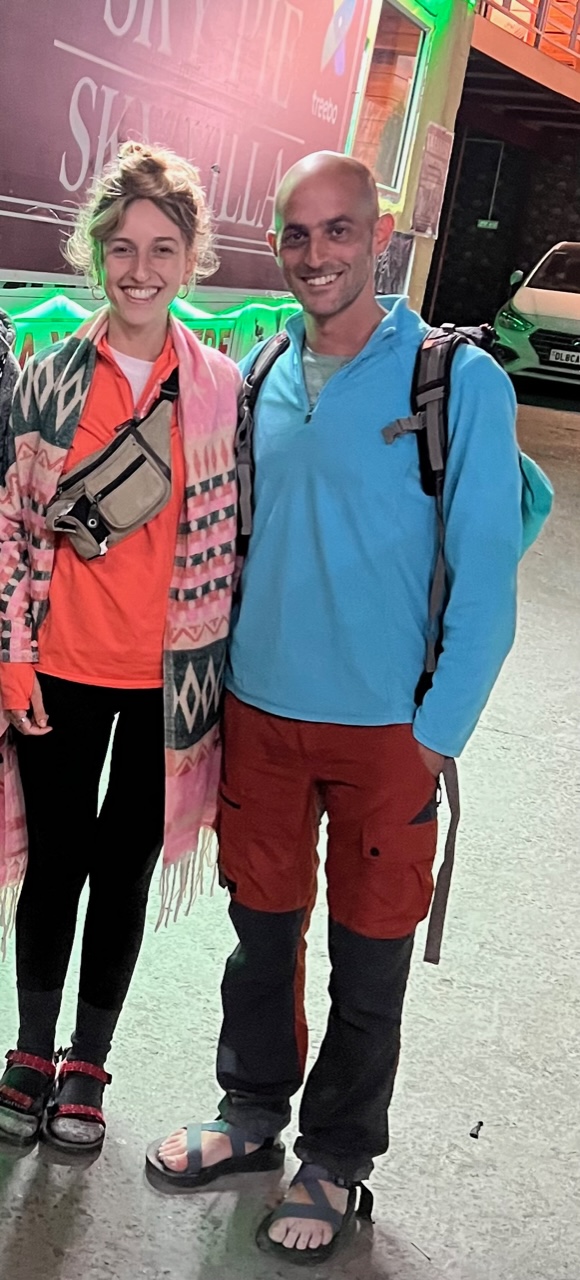
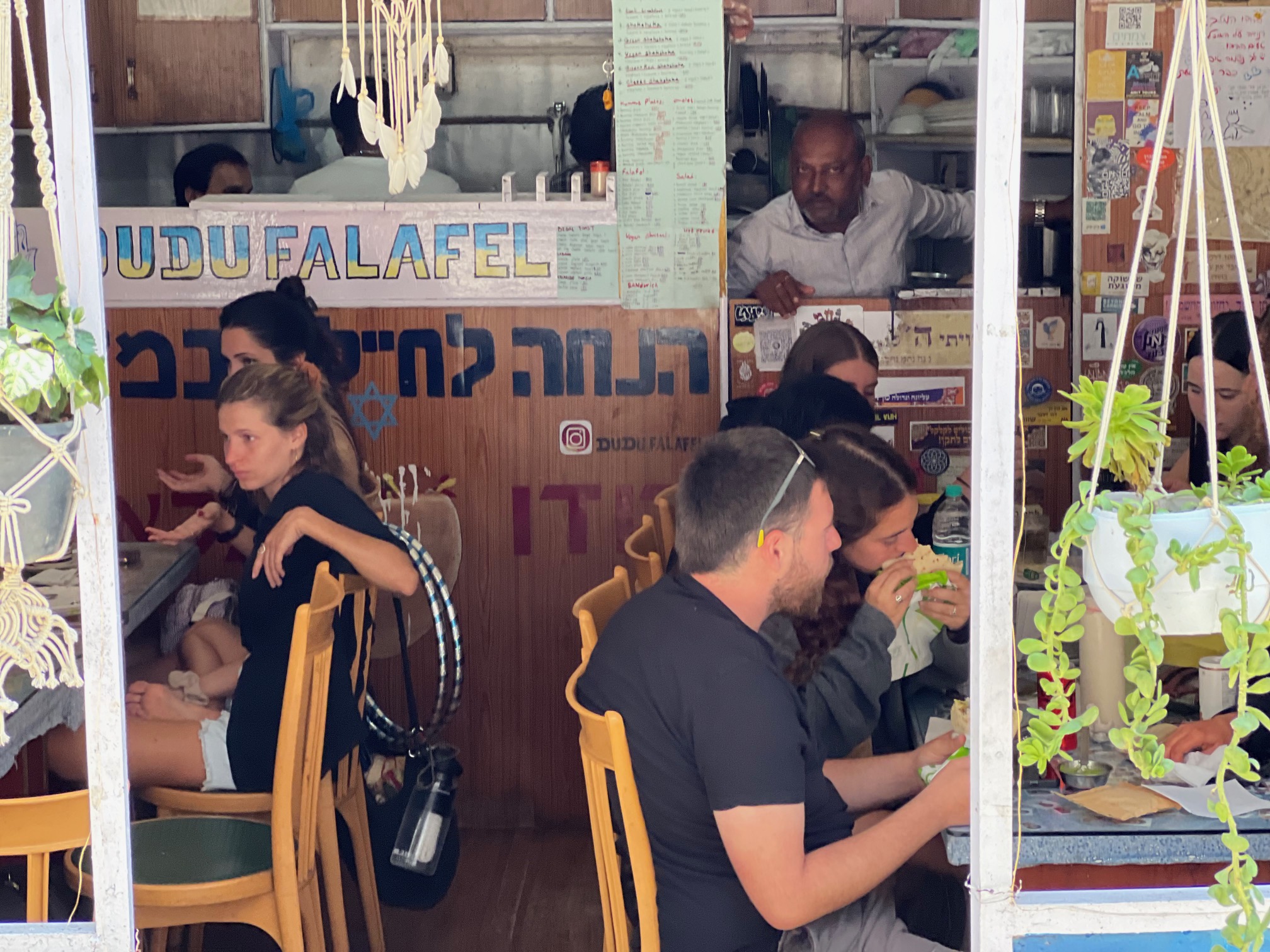

Ultimately Dharamsala isn’t a destination I would return to. But I’m happy it’s there as a gateway to the North for these Israeli young people. And I loved getting to know some of them during our time there. We hear a lot about the Israeli “kids” who come to Northern India and sit around smoking dope. I’m sure those people are there, too, but the young Israelis we saw were wholesome in the way so many Israelis have managed to remain in this 21st century. Joyful. Caring. Patriots on a time out.
There’s plenty of time in life for school, work, building a family, all that serious stuff. And, yes, there’s a danger in getting carried away and not knowing when enough is enough, but the young people we talked to had plans for all that stuff. Later.
We worried when our girls took off for their “trip after the army” and now, two decades later, one is a partner in an accounting firm and one is a high school counselor. And we’re so happy for them that they had that time out of time.

 gettingoutalive