
This trip started out as one of those ‘round the world’ tickets where you have to keep traveling in one direction – east or west – and can’t cross any specific ocean more than once. I must’ve played with that planning tool on the Star Alliance site for twenty hours or more over the course of several months.
Tel Aviv – St. Petersburg – Mumbai – all over India – China – Bora Bora – Alaska – Oregon Coast – California – Salt Lake City – Mount Rushmore – The Badlands – New Mexico – San Antonio – Fort Lauderdale – New York City – Toronto – The Bay of Fundy/Nova Scotia – Iceland – Tel Aviv
Juggling weather, direction, time.
How much is too ambitious? Australia, yes or no?

Should we rent an RV to travel around the US? A car with motel stays? Flights for the long bits?
But then the time came to make real decisions like renting out the house for the year and what to do with my yoga studio and my husband started hemming and hawing. There were hesitant chords of concern about leaving our lives for so long. I tried to ignore them. Gloss over them. Treat them like background noise.
A year. Twelve months.
I had to admit to myself that it was sounding like a really REALLY long time to me, too.
The house wasn’t the problem. Neither was the studio. Though I love both.
It was the kids, the grandkids, and the friends who have become no less our family in the 30+ years that we’ve shared a life.



So twelve months became ten months became six months and here we are with the second month of our six-month trip drawing to a close.
In this technological era, it’s pretty easy to keep in touch with people. We share our amazing surroundings and the interesting people who inhabit them with a WhatsApp group for our English-speaking friends daily. We post on FaceBook for our Hebrew-speaking friends or send separate WhatsApps or emails. We send messages to our family WhatsApp group, too, and keep in touch with them with video WhatsApp weekly when we can find a strong enough WiFi connection, or with audio WhatsApp when we can’t.
We spoke with our youngest son and his wife yesterday from an isolated snack food kiosk in the jungle as they drove home from an office party in Silicon Valley, California.

We remember the days, not too long ago, when we sat in Internet Cafes, paying for the internet per minute and waiting endlessly for the atrociously weak and slow connection. Then there was Ko Mak, an island in Thailand, where we had to hike an hour to the other side of the island daily for the only internet connection because I had left Israel in the middle of interviewing candidates for a position and had to go over resumes.
Earlier there just was no internet – impossible for our grandchildren to envision – so we made the occasional phone call when we could.
It seems that most of the important people in our lives are healthy and major crisis-free so far during this trip.
Before we left we knew that one friend was scheduled to have a small, probably cancerous, tumor removed from her kidney, and after we left we received the good news that all had gone well with her surgery.
One granddaughter had an ugly eye infection that seemed to linger endlessly. Endlessly finally came to an end after way too long a time for my taste. Her swollen-closed eye then returned to normal.
The worst of it so far has been a shocking but benign head tumor with sudden, unexpected, surgery that’s meant weeks of rehab for a neighbor who’s like a younger sister to me. That was a tough one because I knew that my presence could’ve been important for her morale, but, thankfully, her recovery seems to be going well.
Life is full of surprises – big and small; pleasant, unpleasant and neutral – and they don’t cease when we’re far away from our usual haunts.
So here’s the deal.
Relationships with people are one of the most important ingredients in the tasty soup of life. There’s our relationship with ourselves; our inner world. The one we take with us wherever we go, whether it’s to the living room or to India. Then there are all the others.
The ones we choose; the ones we’re born into; the ones we birth; the ones we marry into; the ones we grow into because of circumstances; the ones who are part of the landscape of our lives.
There are even relationships we’re semi-unaware of until they’re brought to our attention.
There are close relationships and casual relationships. There are close relationships that become casual sometimes and casual relationships that become close at others.
There are relationships that take us by surprise and relationships like old slippers – comfy and constant.
But there’s one reality of important relationships that my husband has pointed out to me many times – they have a past, a present and a future. If one of those elements is missing, the relationship is a like the one with that second grade teacher you had in elementary school. She may have been one of the most significant people in your life when your were seven but she’s only a fond memory today.
Anyone who knows me knows that I’m a relentless technological freak. I love the newest, the most creative, the most surprising new concept, gadget or app. I’m that person that buys the out-of-the-box FaceBook solution for neck tension and was one of the first to contract out administrative projects to freelancers online fifteen years ago. I never give up communicating with people in the Mayalayam spoken and written on my translation app in spite of dozens of puzzled expressions. I trust Uber and Waze and UpWork.
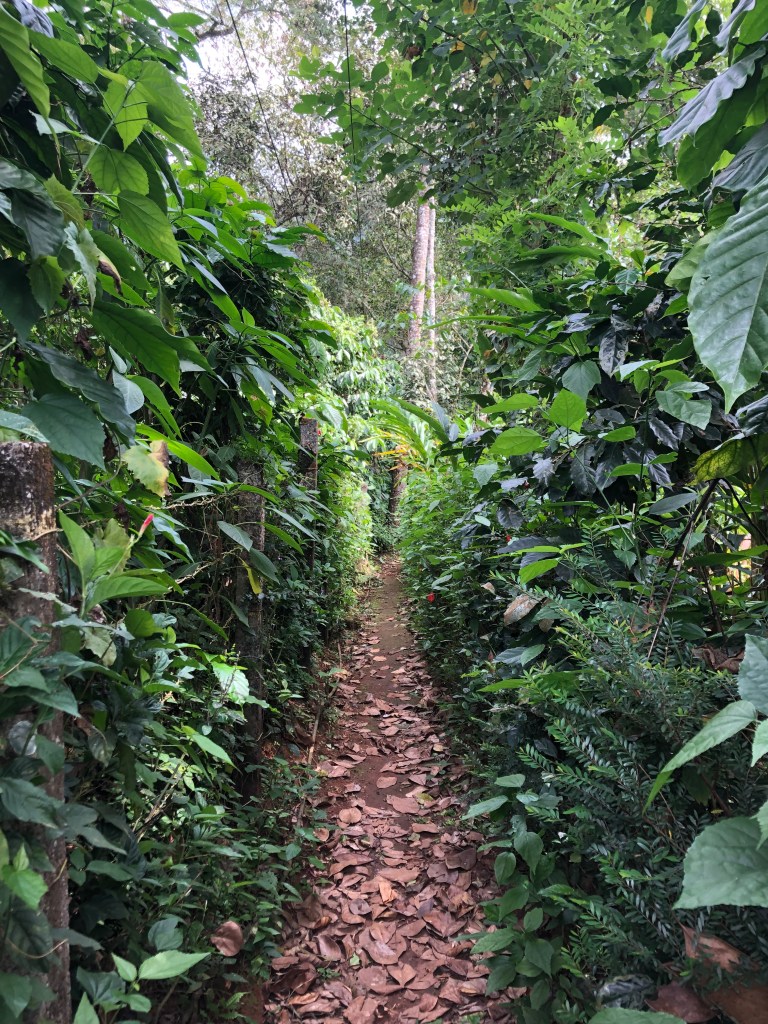
I prefer email and WhatsApp to phone calls or personal business meetings. If you WhatsApp me, chances are you’ll get an immediate reply sixteen or seventeen hours out of twenty-four, even from the tropical jungle of Kerala.
And yet.
I’ve learned to embrace another reality about relationships.
The important ones cannot, ultimately, be sustained with technology. They can be maintained temporarily in a loving electronic space when watered sufficiently – pardon the mixed metaphor – but they will eventually rise from the lower berth to the 3rd tier berth of relationships and become your second grade teacher.
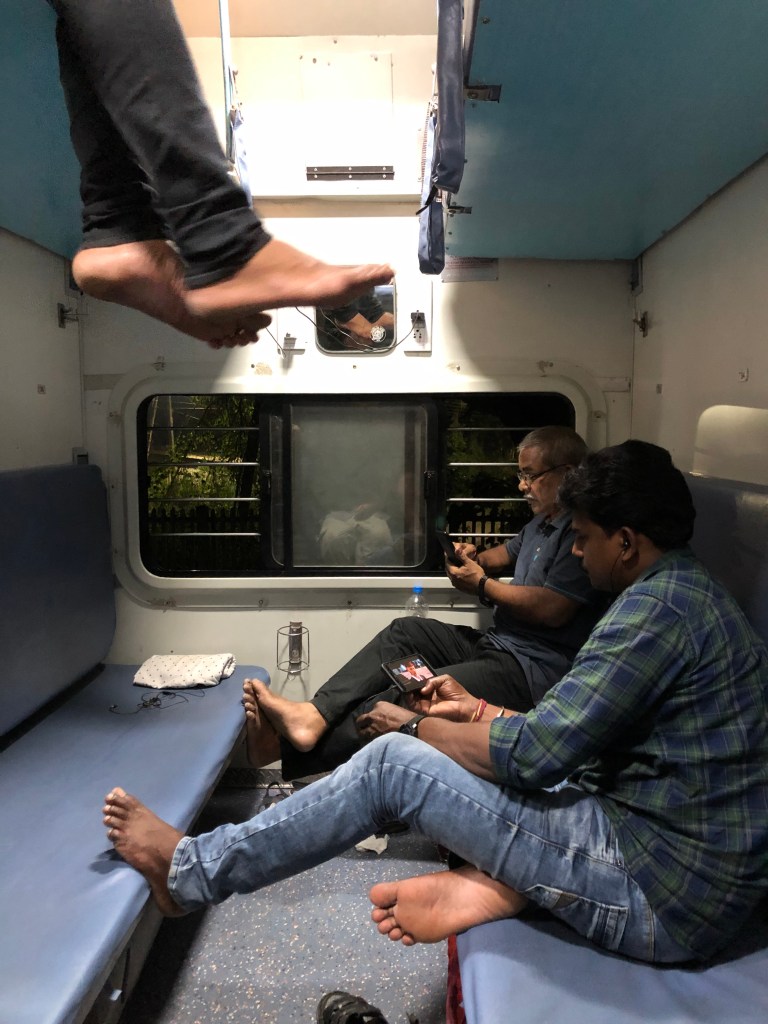
It’s true of best friends, of sisters, of kids, and probably most of all of grandkids, who have the disadvantage of being too young to have solidified any relationship enough to withstand the loss of perpetual physical proximity.
I love to travel. Someday I may not be able, physically, to climb into a train berth or even get on a plane to travel to another exotic location, but I’m guessing I’ll become an armchair traveler. Meanwhile, I look forward to the next four months in India, a week in Greece with my daughter and granddaughter in July, and am already planning to rent a little place for three months in Guatemala next winter.
But I won’t be fiddling with that ‘round the world’ Star Alliance again in anticipation of a year of travel. I have a feeling that I won’t even be looking at six months again. I’m so happy that we grabbed the opportunity to take this incredible journey. I’m seriously enjoying every single day.
While I tend to feel ageless, I am aging. But that’s not the thing. It’s not fun to do many things I used to have fun doing but I’ve barely noticed that I’ve stopped doing them. I’ve moved on to things I may have once thought slow or unexciting and get a huge kick out them now.



The thing is that all the people I love are aging. Yep, even Alex, our youngest grandchild. And certainly our family-like-friends who have almost seventy years on her.
I want to be IN those important relationships. I don’t want a single one of them to become my second grade teacher and I don’t want to be theirs.
I’m so grateful that I’ve birthed, married into, grown into, chosen, and been brought by circumstances into relationships with multi-faceted, quirky, wonderful people whom I love and, wonder of wonders, love me back.
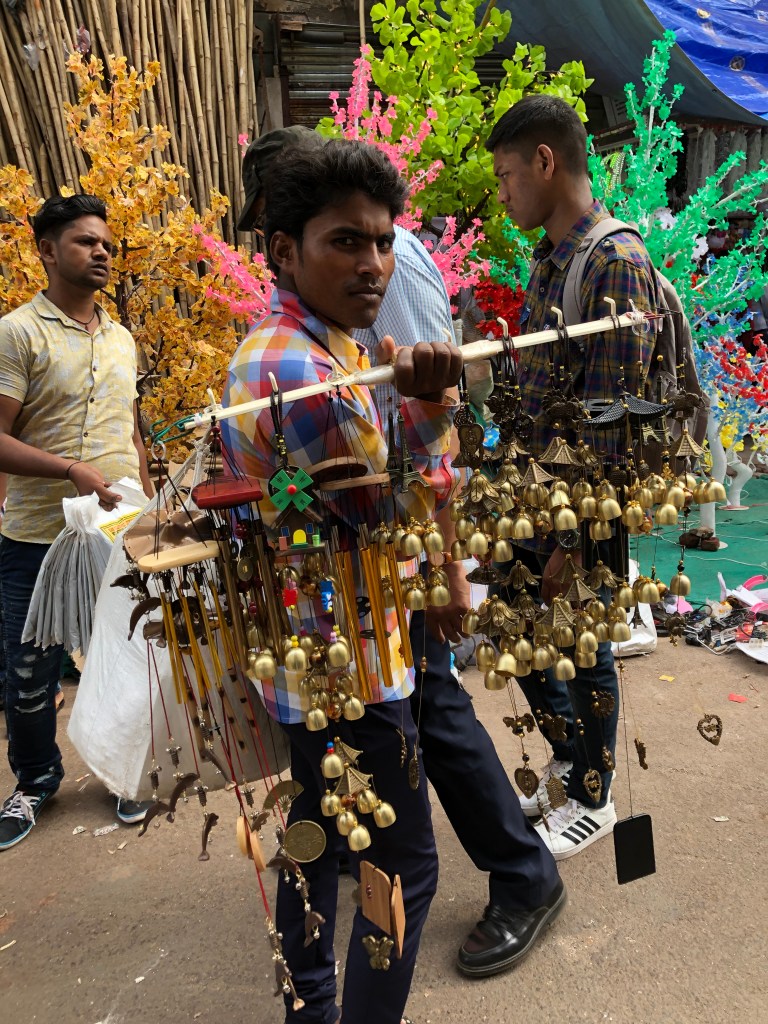
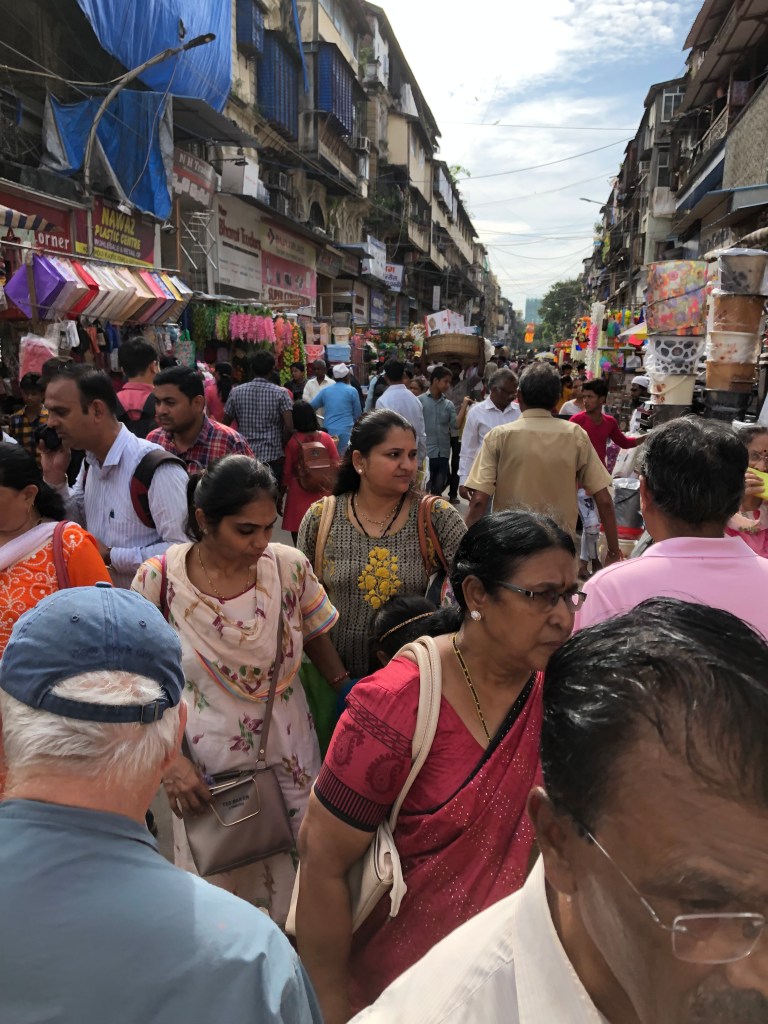
One of the best things about my life is that I’m fortunate enough to live in time that I can nourish both my love of travel and my love of relationship, if I can only remember to balance them and adjust to the times. After all, I could’ve been born under a bridge in Mumbai.
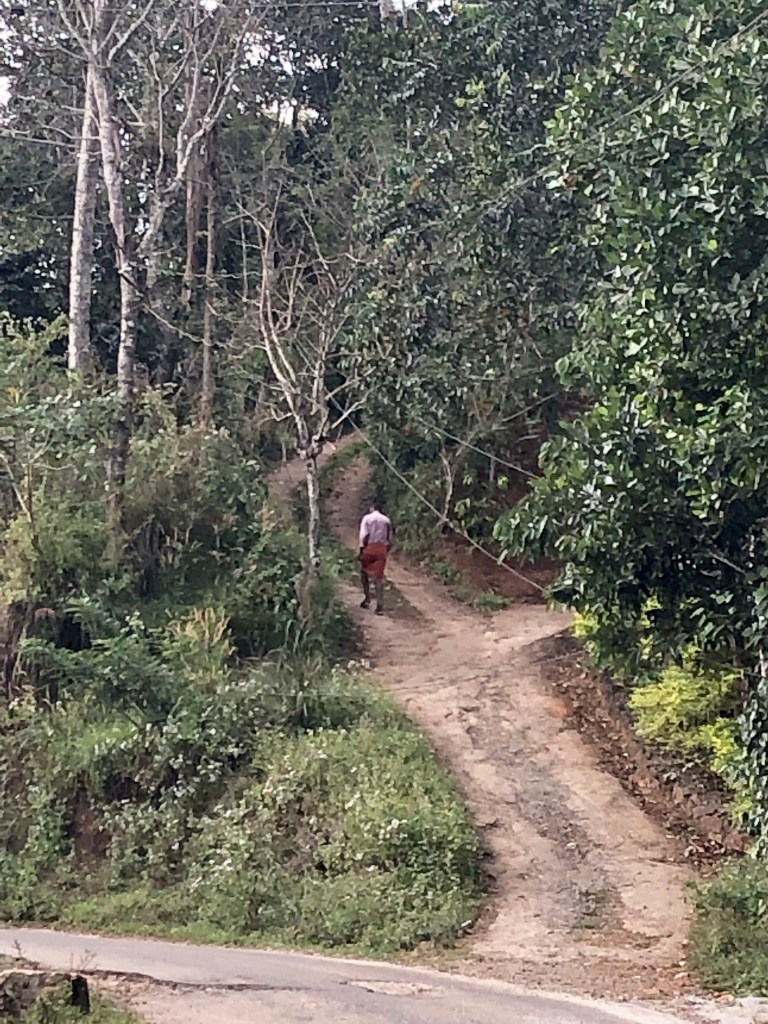
Happy Monday to all from 20 kilometers from the middle of nowhere.










 gettingoutalive