
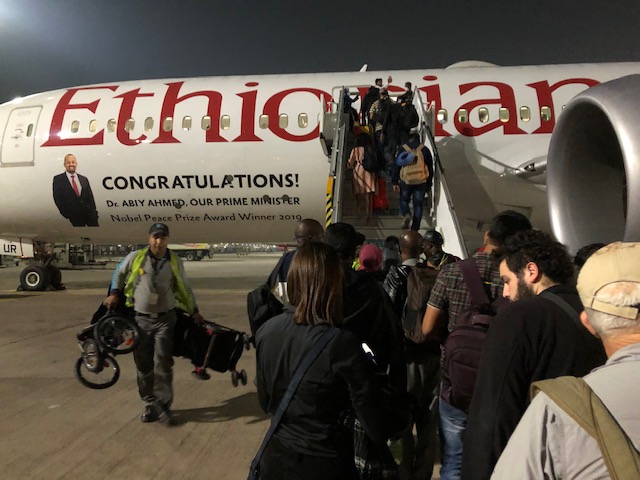
For those of you who read my last post – yes, we made it home – by hook or by crook and by the hair on our chiny chin chins.
For those of you who remember the days when people used to kiss the tarmac when they arrived in Israel – for security reasons it’s no longer possible, but the feeling was certainly there for us on March 19, in these times of Corona.
We spent 27 hours getting home from India on Ethiopian Airlines and didn’t even grumble about it. Seventeen hours in Addis Ababa? No complaints. A long line in the airport (several times) to have our temperature taken? That’s fine, thank you. Rowdy passengers (my partner calls them ‘enthusiastic’) unrestrained by the crew? Peachy.

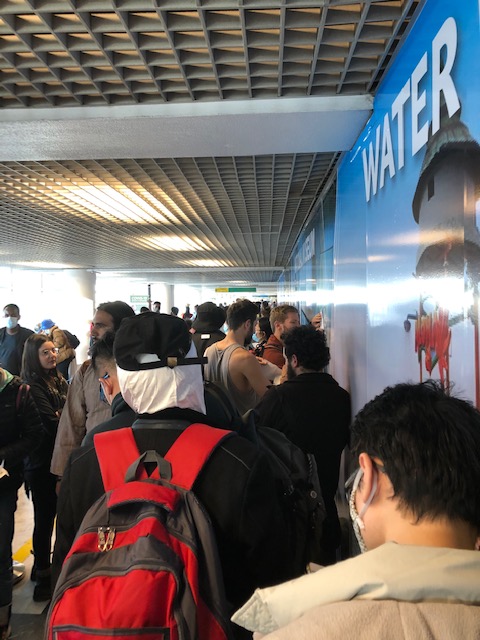
The main thing was to get out of India and back home.
Things changed literally from every morning to every evening and then again the next morning. Prime Minister Mod’i, like many of the world’s leaders, proclaimed increasing restrictions from announcement to announcement, the difference being that he is responsible for 1.5 billion people – 17% of the population of the world! A critical mistake on his part could very well mean millions of Corona deaths; maybe tens of millions.
Within days all pending visas were canceled, and India closed its borders to foreigners. Within twelve days the skies were closed – no flights in or out.

One by one, the 29 states in India began closing their borders to foreigners. After that, one by one, they began requiring all foreigners present within each state to leave.
Cab drivers began to refuse foreigners. Guest houses did as well. The railway system shut down. Over a period of 10 days, intercity buses were canceled. Foreigners asked to leave their lodgings had limited options for travel elsewhere. Some began sleeping in the streets.
Within ten days Mod’i enforced a one day lockdown from 7 a.m. to 9 p.m. Four days later he proclaimed a nationwide lockdown…period. Anyone who’s experience the open market in Delhi or the crowded streets in Mumbai can imagine how eerie a sight that was.
By March 25th all domestic flights were canceled.
The Israeli embassy started organizing private buses to transport stranded Israeli citizens to Delhi and Mumbai to be close to an international airport for extraction.
In Israel, the restrictions of movement are barely enforced. In India, the police canvassed the streets beating non-complaint people with sticks.
We reserved flights with 5 airlines. They began canceling the day before take-off until we were left with Aeroflot and Ethiopian Air. We chose Ethiopian because Europe seemed unreliable with Russia announcing the closing of its borders for the day of our flight. After trying to get confirmation that our flight would still fly, calling Aeroflot offices in Israel, India, and Russia – including a conference call with a friend in Israel, me in India, my friend’s sister-in-law in Russia, and an Aeroflot agent in Moscow – the confirmation was still shaky.
We arrived in Israel at 3 a.m. Two friends had left one of our cars in the airport parking lot (one drove his own car to return both of them back home). No one spoke to us at the airport. No one asked us any questions or took our temperature. No one asked how we planned on getting home even though we were officially in quarantine once we touched down on Israeli land.
Go figure.

Home Again
Our friends in Israel stocked our fridge and freezer. They decorated our home with welcome home posters. We even had daily visits with several of them on our back porch – six meters from us and on their own chairs. Friends are the best! We found out later than one of them called one of our children to enlist her aid in convincing us to leave India.
My Corona symptoms disappeared once I’d spent a few hours in my own home.


Friends we made in India were in touch with us – some more than once. They were all in lockdown but doing fine. Of course, none of our Indian friends are homeless or live in slums with collective toilets and corrugated roofs. They expressed happiness that we made it home, and, interestingly, appreciation for our sensitivity to India’s needs by leaving them to cope with Corona on their own.
We can’t go out for another eight days, not even to a pharmacy or grocery store, or to get exercise within 100 meters of our house, like others can do. But we’re fortunate in so many ways – first and foremost that we are healthy, and our children and grandchildren are healthy – and then:
- We spent five months together in India and became even closer so that being together in our home with very limited contact with the outside world is not at all a hardship
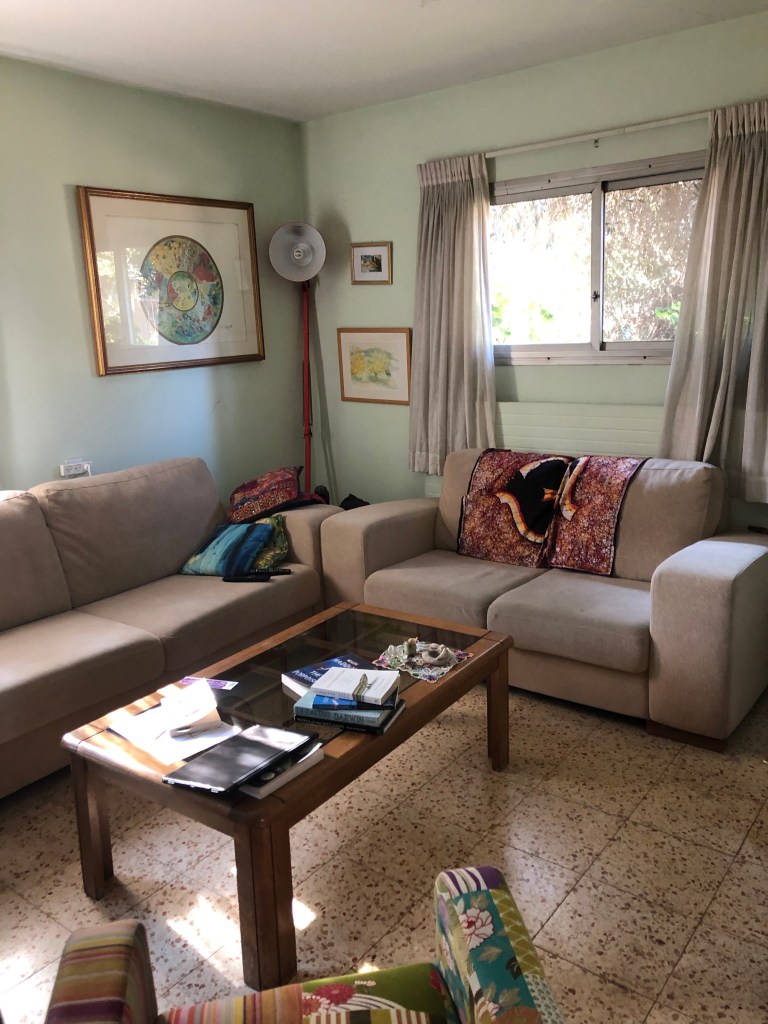
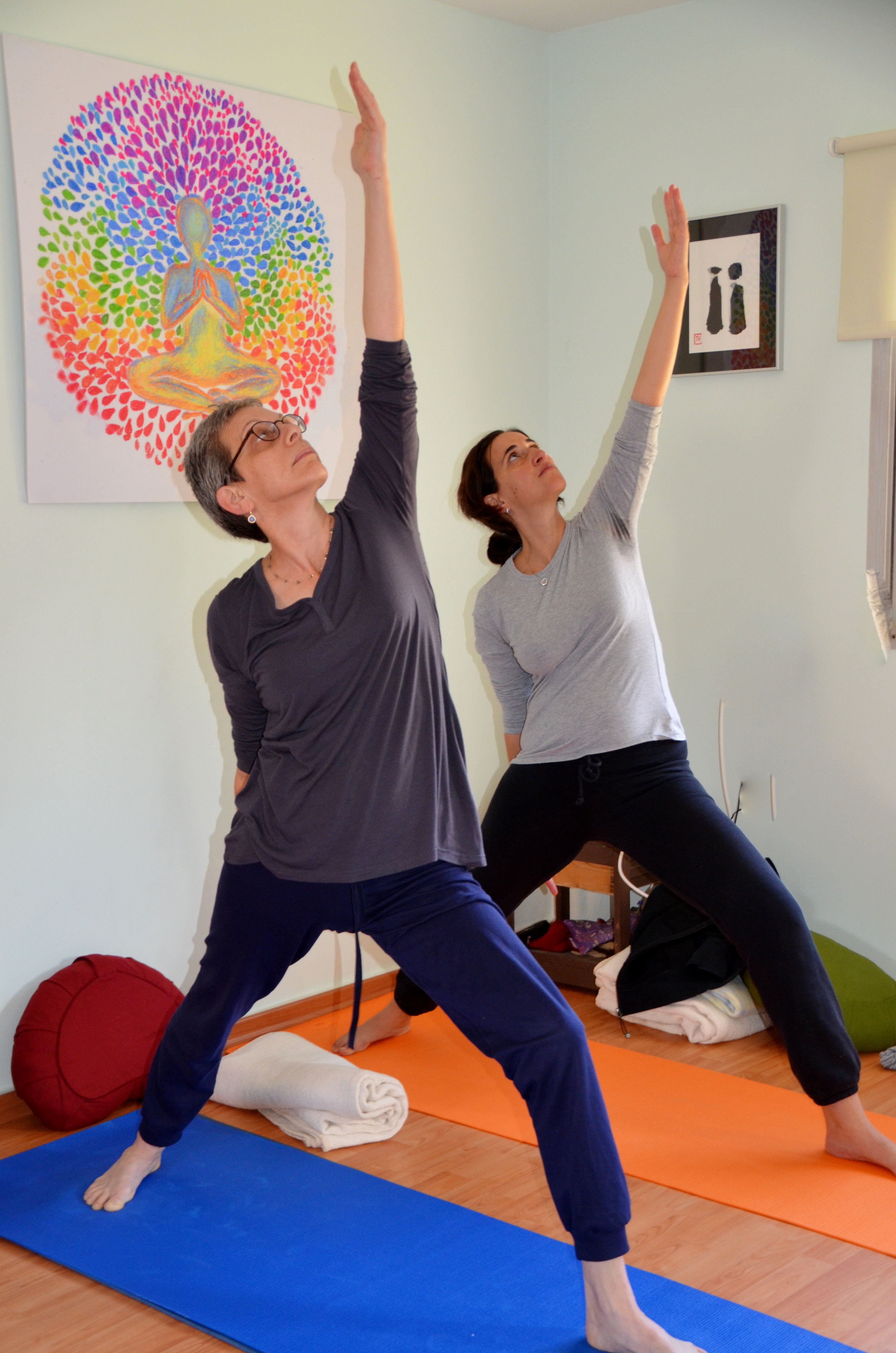
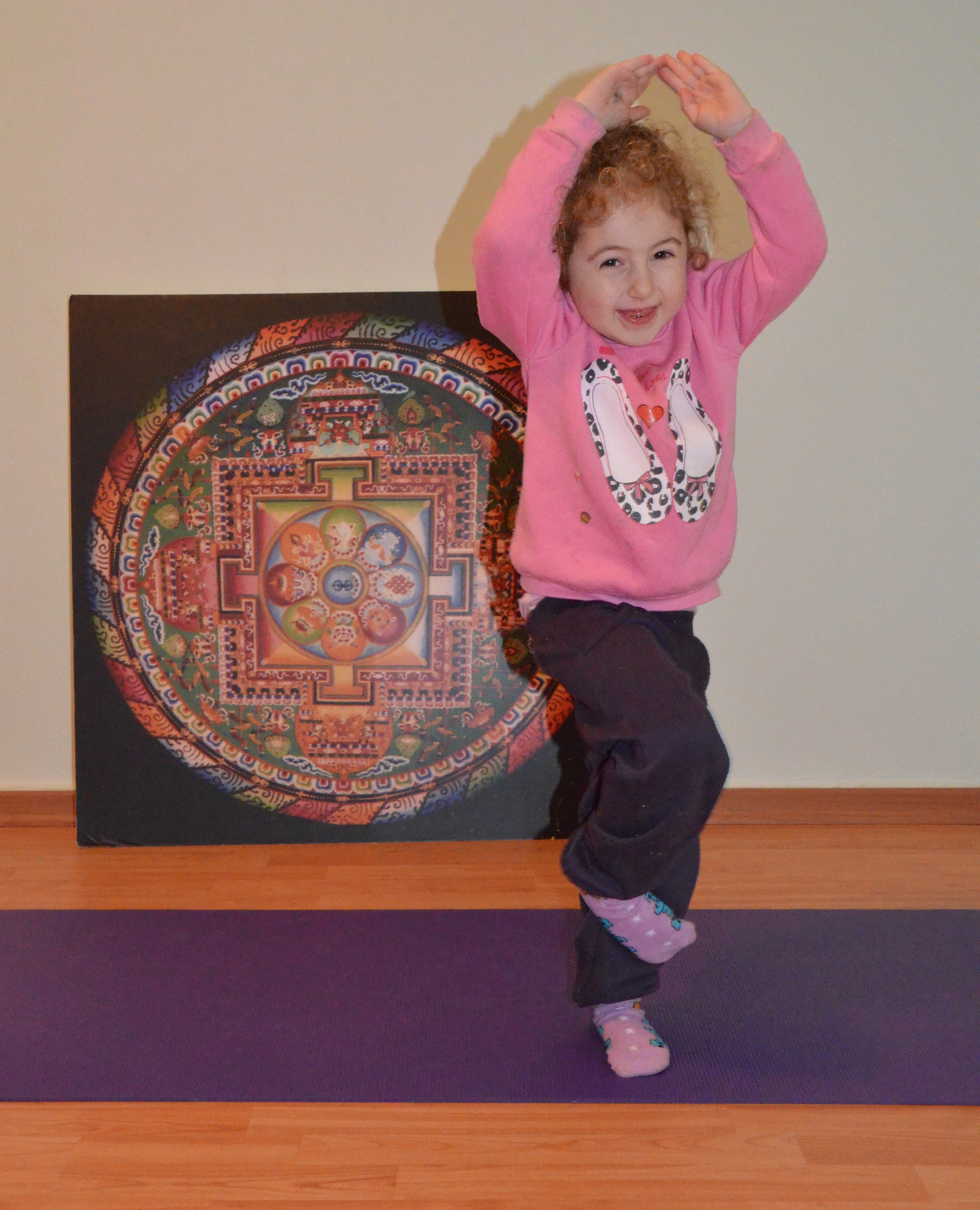
- We have a spacious house and even a yoga studio
- We have a comfortable back porch with a large, lovely backyard
- We live in a community where the youth are happy to help and have organized to do shopping and bring it to people’s homes
- We have neighbors who pick up our garbage from the end of our front walk to throw it away.
- We have enough income to survive these crazy times if we budget ourselves properly
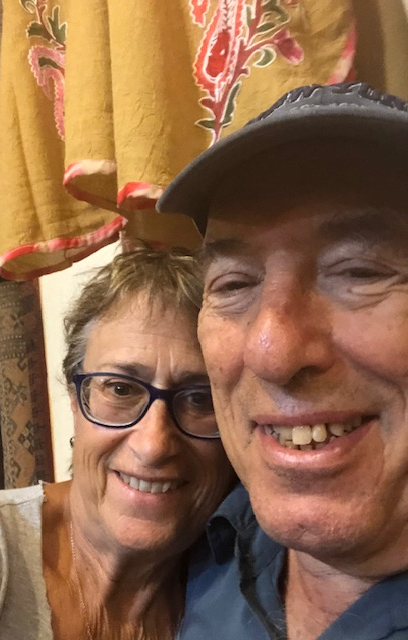
Of course, we worry along with the rest of the world, listening to the horrific statistics of deaths and illness. Personally, I keep busy with yoga, meditation, reading and binging on tv series. All day I have a Pollyanna-ish feeling that all will be well soon, only to be brought down to earth when I listen to the evening news.
We check in with our children and grandchildren, with our friends and our siblings when the level of worry rises too high.
And we pray, along with other inhabitants of our beautiful earth, that we’ll emerge on the other side of this crisis more grateful for our lives and our many blessings, and with renewed commitment to ease the friction, poverty, and distress in the world.
If nothing else has taught us how interconnected we are, surely the map of COVID-19’s progress throughout the world is proof.

































 Several of my characters have begun to show less attractive traits, alongside the wonderful traits with which I originally fell in love. And that’s hard. In some ways, oddly, I’m finding it harder to expose their faults than it is to expose my own. (Someone has suggested that, perhaps, their faults ARE my own.)


 =
= 



 (maybe the most fun of all)
 And I haven’t found a good guide book yet. Not on Lonely Planet or Footprint or even Google.

 but there can be some nice things about napping.
  And maybe, just maybe, that’s part of it all.














 Natalie Goldberg
 Scott Pratt








 gettingoutalive