
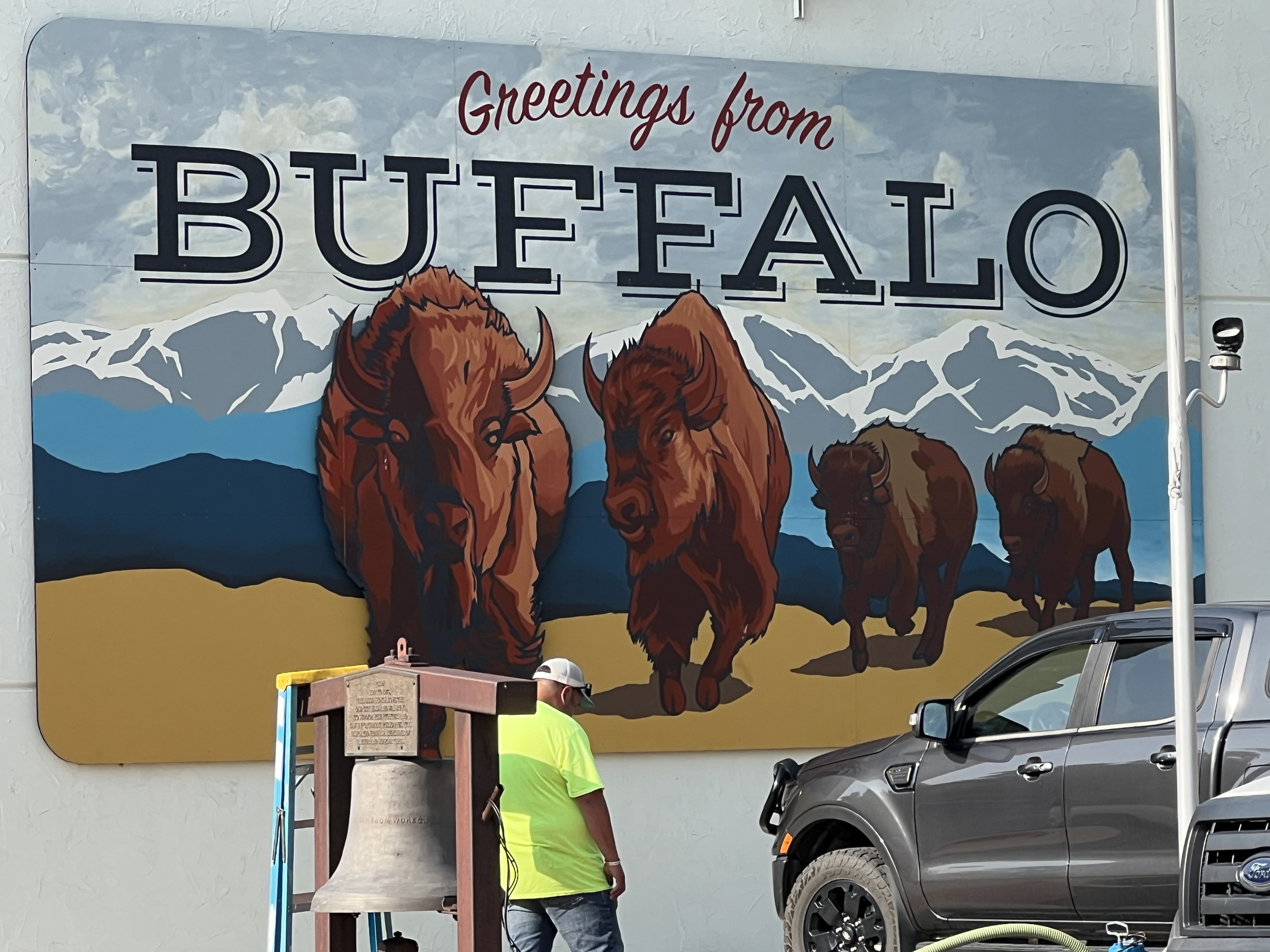
The Z Bar Motel in Buffalo, Wyoming, is a great place for a family vacation. Yes, it’s in the middle of nowhere, but very convenient for our travels, halfway between Mt. Rushmore and the Battlefield of Little Bighorn. It’s a motel made up of small (and larger) cabins. The two men in the cabin next to ours were from North Carolina. They come every year to escape the heat. Very friendly, they sat on their front porch schmoozing for large parts of the day, happy to chat with other guests of the motel as they pass by.
Our cabin had a fridge and everything else we needed. Unfortunately, it also had a flooded bathroom later in the evening. Luckily, the water didn’t escape into the room proper. We debated whether we should ask for a discount upon check-out the next morning but decided against it. It can’t be easy trying to make a living from tourists there. There’s really not much around there for many miles in every direction.
The decision was taken out of our hands the next day when the owner told my partner that he would be refunding our payment in full. (I checked later and he had, indeed, issued a full refund) Only three cabins were affected by the plumbing problem, ours being one of them. When traveling – and in life in general – we’ve learned that the best attitude is one of kindness and flexibility. We also benefit – not always financially – but always in our hearts.
An hour and a half up the road we pulled into the Battle of Little Bighorn memorial.
Many years ago, on a whim, I purchased a $10 senior pass for life to all US National Parks for myself which included other passengers in my car. At the time one of our sons still lived in the States and I figured we might even get some use out of a lifetime pass. It was the ranger’s idea in the John Muir forest in California. It came in handy on this trip. We saved ourselves over $100 and had a feeling of satisfaction. It included the Little Bighorn memorial, though not Crazy Horse since that’s a private endeavor. It would be just too cynical for a monument to a warrior betrayed fatally by the US government to be a national park.
We’d been listening to Bury My Heart at Wounded Knee by Dee Brown, anticipating our visit to Little Bighorn. The book is written primarily from the point of view of and in sympathy with the Native American Nation. Having been brought up on the opposite perspective, it was interesting to learn the history of Native American/settler relations from this point of view. What became clear was that aside from the excitement, enthusiasm, and greed of the settlers, and the often apparent disregard for Native Americans as human beings by the US Army, it was a tragic clash of cultures that led to cruelty on both sides and horrendous misunderstandings with terrible consequences.
Before the explorers and settlers invaded Native American lands, the primary conflict was between Mexicans and Native Americans. Mexicans often kidnapped Native American children for use as slaves and Native Americans retaliated by stealing horses. Odd perhaps but with none of the butchery and cruelty that was eventually representative of the settlers, the army, and the Native Americans. The Mexican and Native American cultures, while different from each other, had more in common.
It took years for Native Americans to grasp the concept of hunger for ownership of land that precluded the use of that land by others. They’d always had free access to vast tracts of land – virtually any land they wanted or needed for hunting or growing food for their needs – and considered all of the land as their home, belonging only to the holy spirits. They saw no reason not to share it with the settlers, though they were certainly territorial between tribes and there were consequences when tribes didn’t respect the non-verbal, non-contractual rights of one tribe to the land on which they hunted. The White settlers and army utilized these tribal conflicts to their advantage by allying themselves with one or more tribes against others. It would be years before Native Americans realized that the rules of the game had changed. As a result, they were slow in reacting.
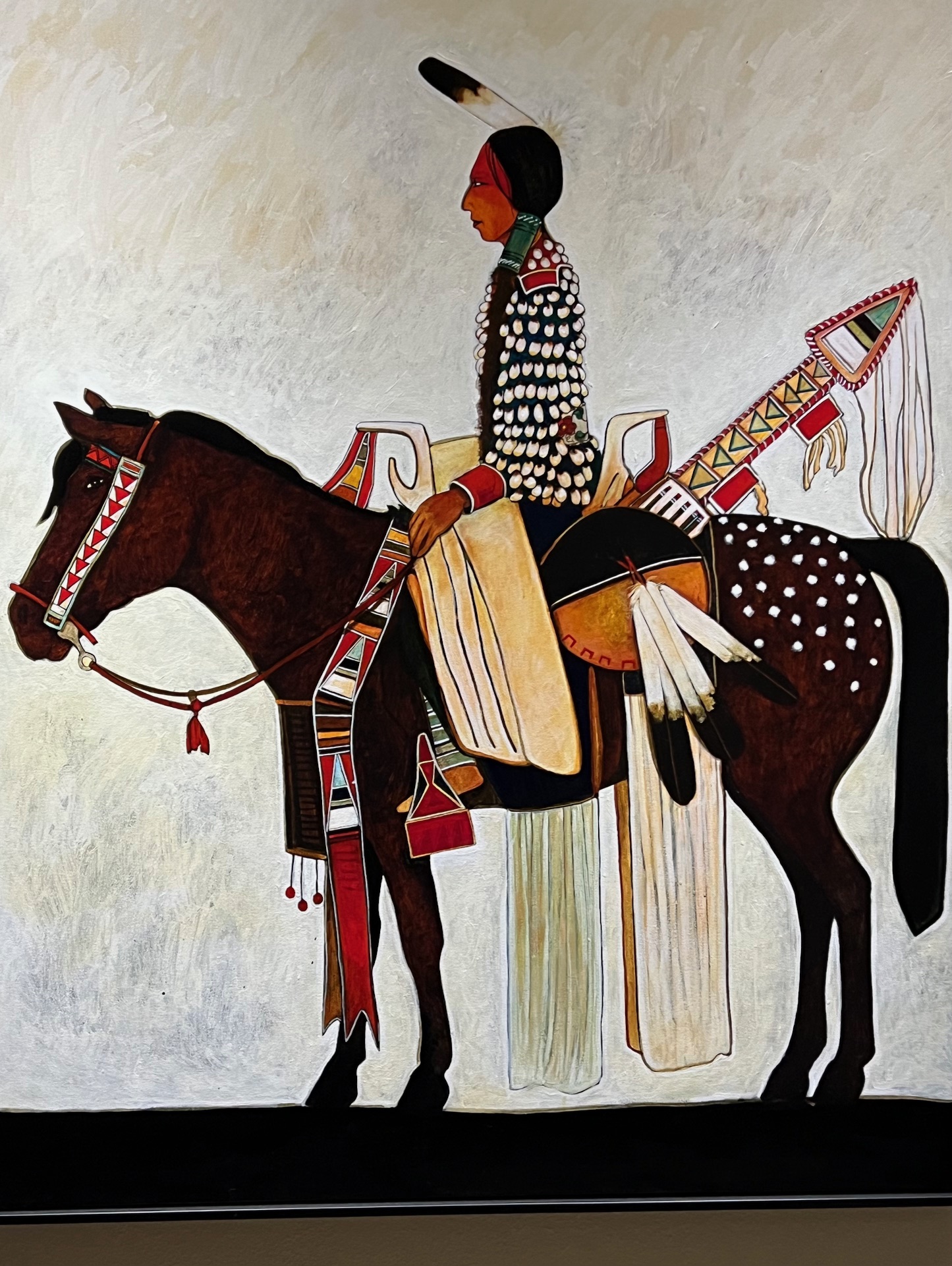
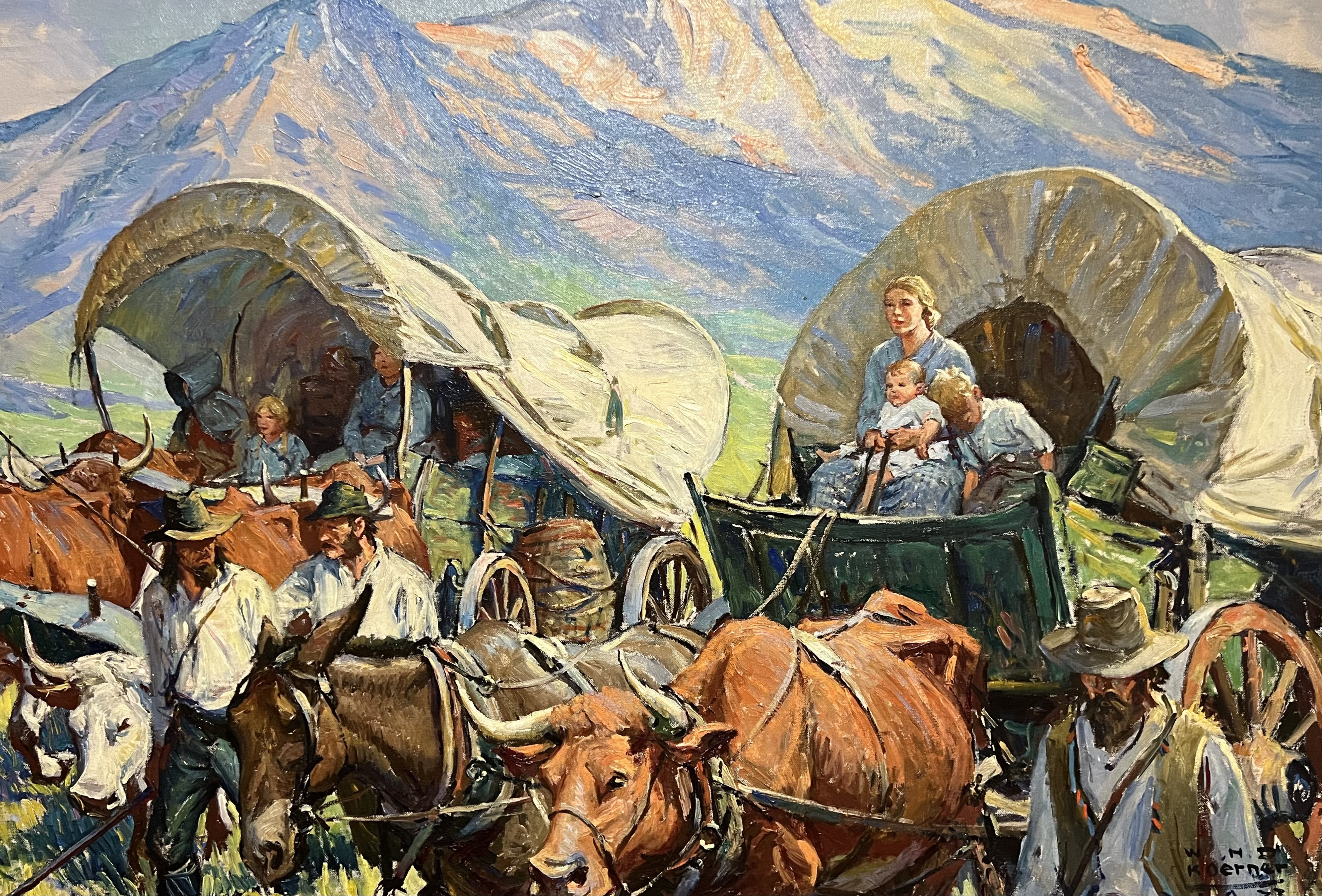
Once they caught up they were no less cruel than their White counterparts. Taking the worst from their experience with the Mexicans, they kidnapped women and children. Taking the worst from their experience with US troops, they butchered their enemy with vehemence and carried out indiscriminate atrocities.
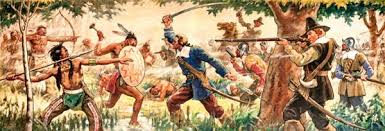
Beginning in the 17th century, settlers and soldiers came well-equipped with the weapons of their time; sidearms, shotguns, rifles, muskets, and infectious disease. The Native Americans initially had bows and arrows, tomahawks, and little resistance to the diseases of the Europeans. It would be years before Native Americans obtained rifles to arm themselves. By that time their numbers had been decimated by disease and warfare. It is estimated that 80% of Native Americans were dead by the 1he middle of the 19th century as a result of White colonization. It is estimated that no more than 2000 colonists, settlers, and US soldiers were killed during the so-called Indian Wars.
(As an aside, the so-called Vietnam War is known as the American War in Vietnam. I have no idea what Native Americans call the Indian Wars. I couldn’t find such a reference. But surely they have a different name for that part of their history.)
This violent and tragic history of Native American-European relations is littered with misunderstanding of cultural differences, broken promises and treaties, and the racism of those centuries when many Whites simply did not regard people of color as human beings. Whoever does not recognize that fact cannot possibly understand the murder of unarmed Native American women and children such as the 1864 Sand Creek Massacre, ostensibly in retaliation for the murder of a family of White settlers. Verbal and written descriptions of Native Americans as being like savage dogs (Andrew Jackson), savage as the wolf (George Washington), and calls for the total extermination of all Native Americans abound (too many to list).
History has shown that the inability to see an entire population group, in this case Native Americans, as human beings, is always the precursor to insensitivity at the least and unspeakable cruelty at worst.
Which brings us to The Battlefield of Little Bighorn, also known as Custer’s Last Stand.
In 1875, after gold was discovered in South Dakota’s Black Hills, the U.S. Army ignored treaty agreements and invaded the region. This betrayal, one of many, led many Sioux and Cheyenne tribesmen to leave their reservations and join Chief Sitting Bull and Crazy Horse in Montana. By the late spring of 1876, more than 10,000 Native Americans had gathered in a camp along the Little Bighorn River.
In mid-June, three columns of U.S. soldiers lined up against the army. A force of 1200 Native Americans turned back the first column. Five days later, General Alfred Terry ordered George Custer’s 7th Calvary to scout ahead for enemy troops. On June 25, in arrogant and reckless disregard for opposing opinions, including his Indigenous guide, Mitch Bouyer, Custer decided to press ahead rather than wait for reinforcements. Many historians believe he was more interested in increasing his reputation for a run for President of the United States than in the cautious advancement of his troops.
In any case, by mid-day on June 25, Custer’s 600 men entered the Little Bighorn Valley. Word had quickly spread of the impending attack. The older Sitting Bull rallied the warriors while Crazy Horse set off with a large force to meet the attackers head-on. Custer and some 200 men in his battalion were attacked by as many as 3000 Native Americans. Within an hour, Custer and all of his soldiers were dead. According to Cheyenne oral history, Custer himself was killed by Buffalo Calf Road Woman.
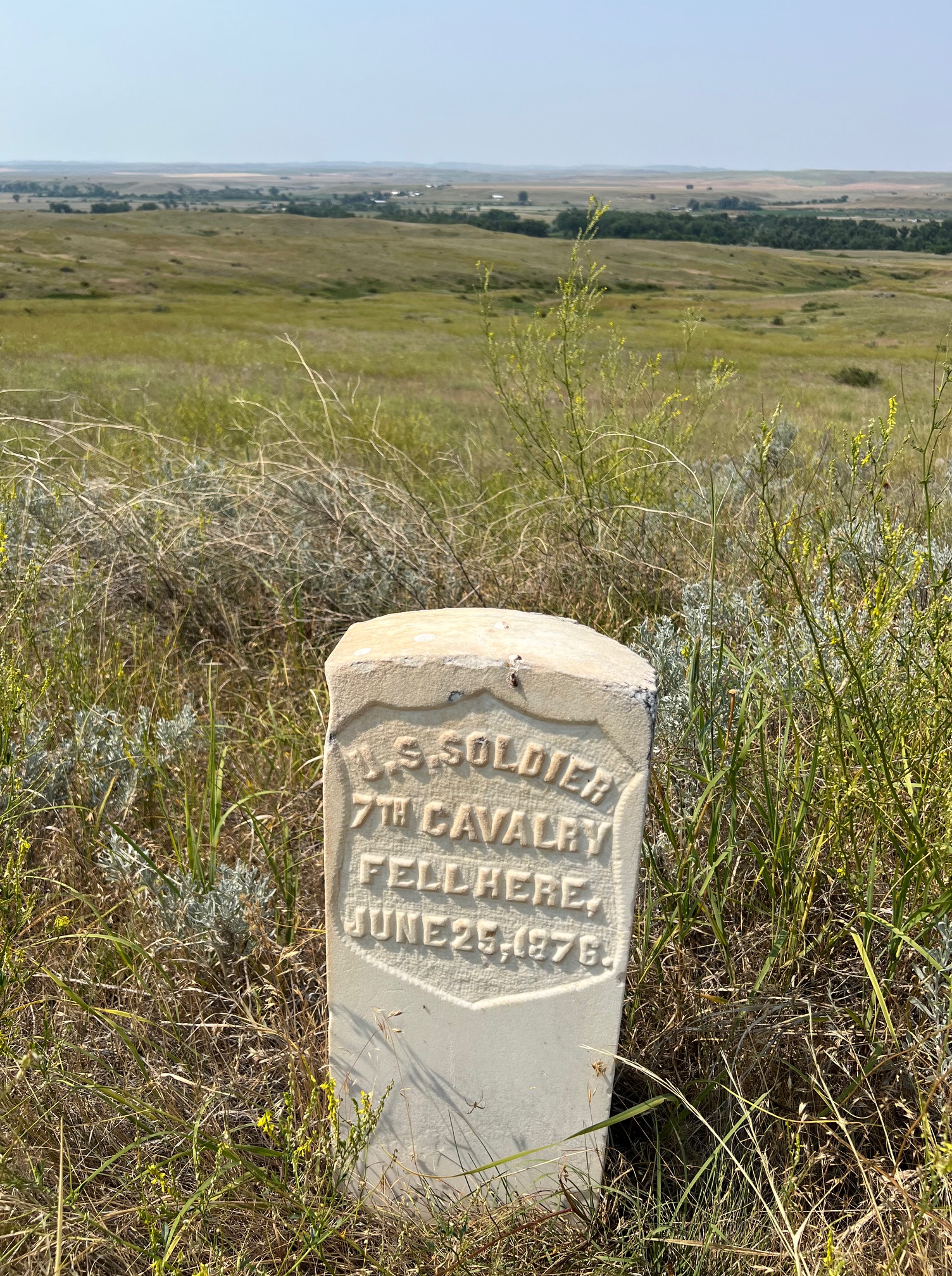

Standing at the many marked locations above the Little Bighorn Valley, reading descriptions of the battle that happened 50-100 meters away was an intense experience for me. I could smell the blood, feel the sweat, hear the war cries, sense the exuberance of the Native American warriors and the terror of the soldiers. I don’t know why it affected me so strongly, just that it was one of the fiercest reactions I’ve ever had in a historical location. Standing on the steep bluffs, I could feel the thrill of the Native American warriors – finally, finally, reigning victorious. After just one hour, 268 US soldiers lay dead, and no more than 100 Native Americans.
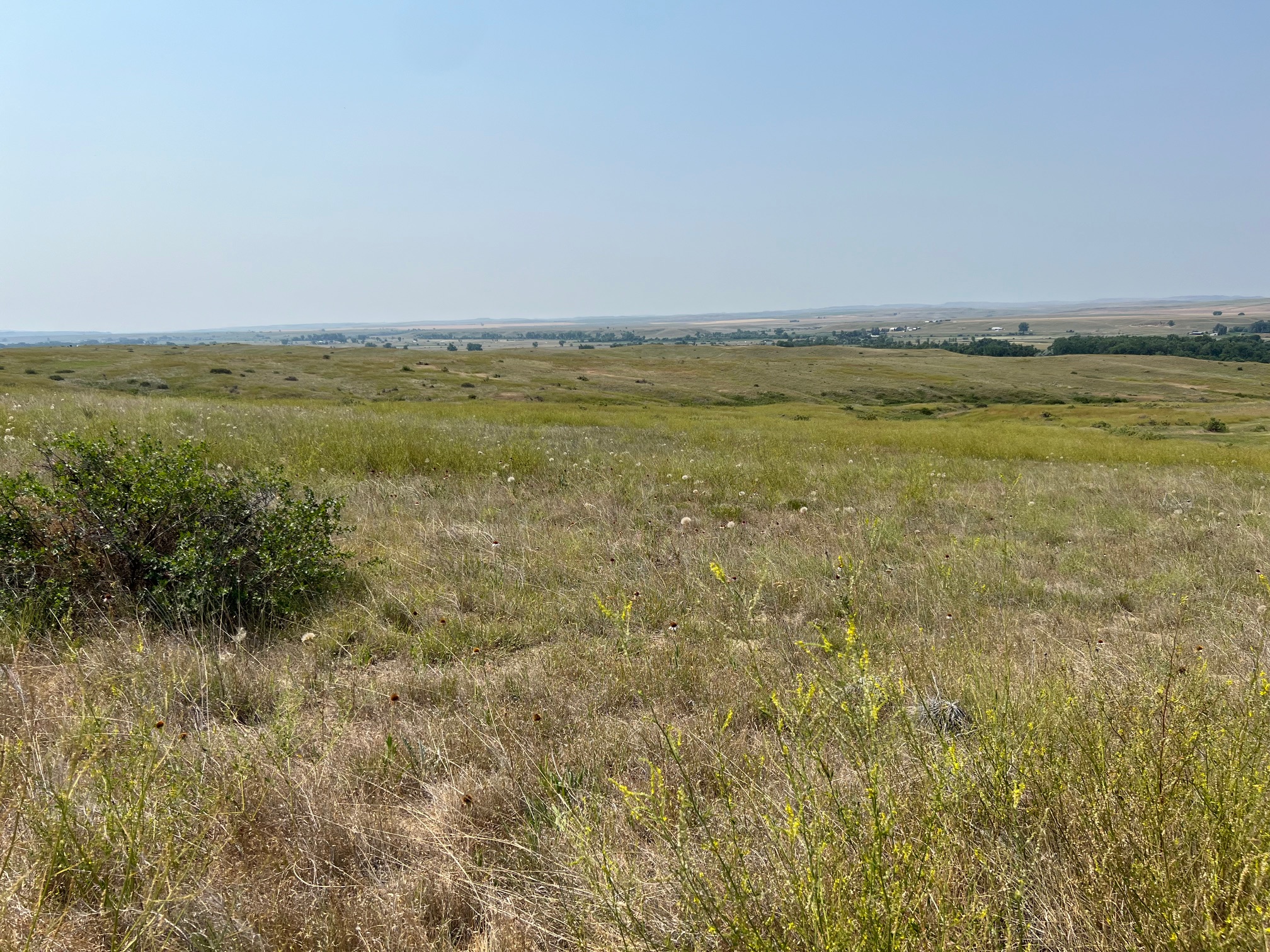
The feeling of accomplishment, justified revenge, and taking back control, was short-lived.
The battle at Little Bighorn reinforced popular opinion as to the savagery of the Native American Nation and served as a rallying point for the United States to increase the efforts to force native peoples onto the reservation lands. Within one year of the battle, most Native Americans surrendered and the Black Hills were taken by the US government without compensation to the Lakota.
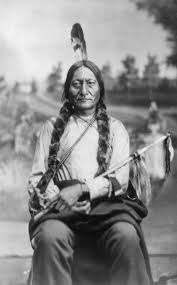
Sitting Bull was later killed by Indian agency police on the Standing Rock Indian Reservation during an attempt to arrest him at a time when authorities feared that he would join the Ghost Dance movement. He was 58 or 59 at his death.
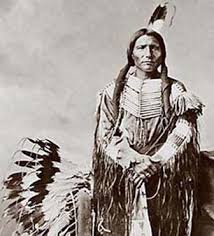
Crazy Horse was killed by a bayonet-wielding military guard after surrendering to U.S. troops at Camp Robinson in northwestern Nebraska. He was 37 when killed.
A trail of broken treaties and US government promises, Christianity meeting Spiritualism, tribal life and nomadic life versus settlement life, differing social structure, and visions of authority all led to the tragedy of Native American/settler clashes. It might have served as a cautionary tale for other disastrous clashes of culture in far-flung locations but as George Santayana wrote, “Those who do not learn from history are doomed to repeat it.”
Humankind has shown repeatedly that we do not learn from history.
Today there are approximately 326 Native American land areas in the U.S. administered as federal Indian reservations (i.e. reservations, pueblos, rancherias, missions, villages, communities, and others). The largest is the 16 million-acre Navajo Nation Reservation located in Arizona, New Mexico, and Utah. While there are an estimated 9.7 million Native Americans, only about a quarter live on reservations or other trust lands. The others are scattered to the winds.
On to new adventures in Cody, Wyoming.
 gettingoutalive