

My partner and I spent 10 days in Rishikesh in 2016 and 3 weeks there so far on our current trip. We’ve decided to go back for another 10 days in April. We ran into many people there who told us they’ve been coming to Rishikesh every winter for the past 6 years, or 10 years or an incredible 20 years. One young person we spoke with last night (in Delhi) said he was there a month ago and finds that something about it is pulling him back.
So what is it about Rishikesh?
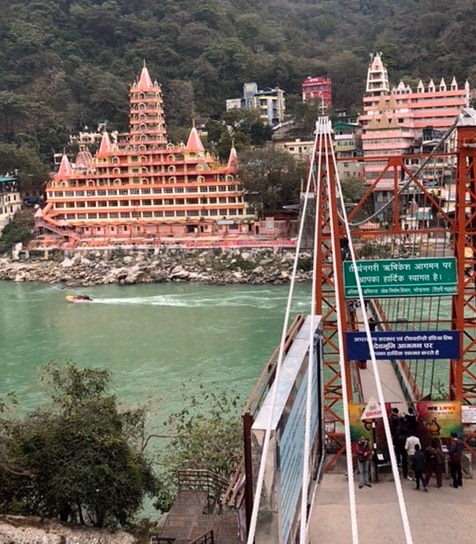
Rishikesh is a small city of a little over 100,000 people. It sits on both banks of The Ganges with two lovely suspension bridges spanning the river.
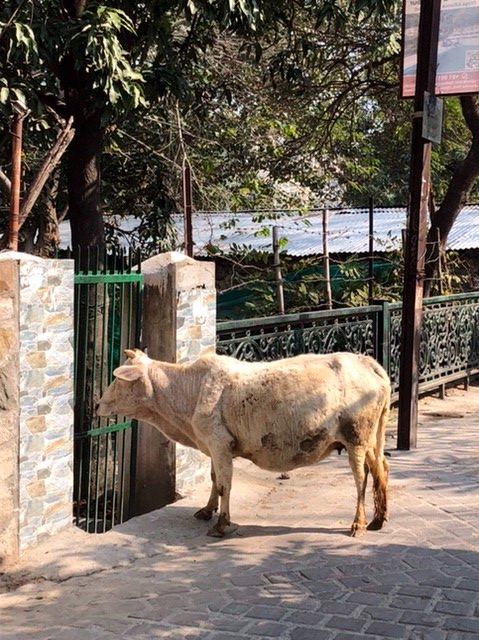
On one bridge, Ram Jhula, a few cows and monkeys maneuver between the foot traffic, motorcycles, carts, and bicycles. Things get busy on Ram by 9:30 am and don’t let up until twelve hours later, when the cacophony of horns and bicycle bells finally stops.
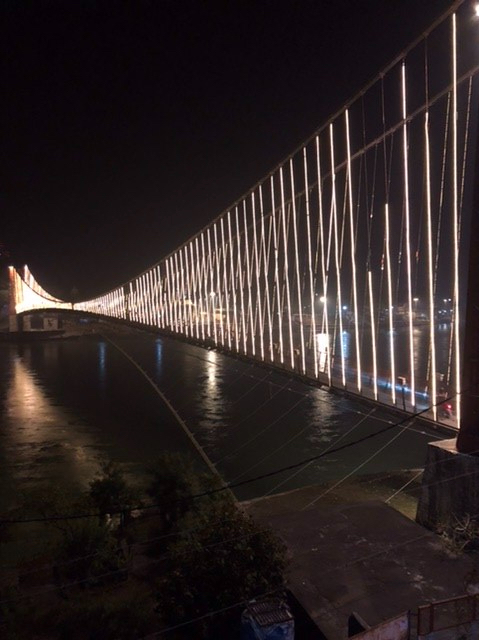

On the other, Laxman Jhula, they’ve recently installed barriers so there are no motorcycles or bicycles, but the monkeys there are far more numerous and aggressive (I was bitten by a monkey there in 2016).


The small streets and alleyways are full of signs enticing people to take classes of all kinds – 200, 300, and 500 hour yoga certification courses, meditation classes, Hindi classes, music lessons of all kinds (harmonium, chanting, tabla, sitar to name a few), Ayurvedic massage and therapy classes – all for very low prices.
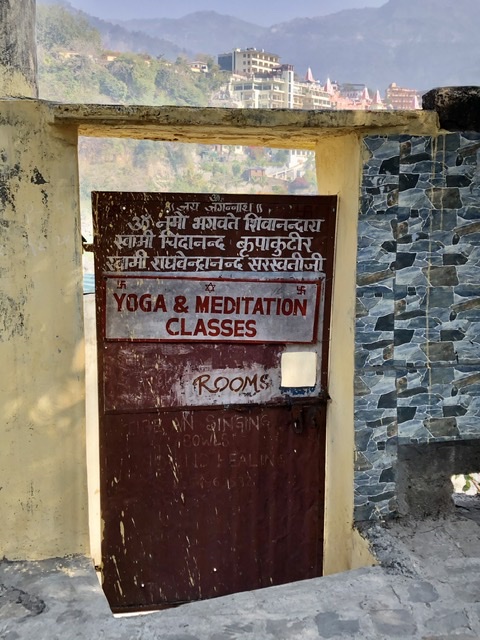



Some signs are in Hebrew, and many local people can speak a little Hebrew – a sign of how many Israelis visit and how much we make our presence felt wherever we are (for good and for bad – but mostly for good). In general, the average Indian is a big supporter of Israel, and especially of Bibi Netanyahu, expressing admiration for our strength in the face of great adversity. They enjoy the Israeli bonhomie and exuberance, responding to Israeli travelers’ warmth with readily extended friendship.

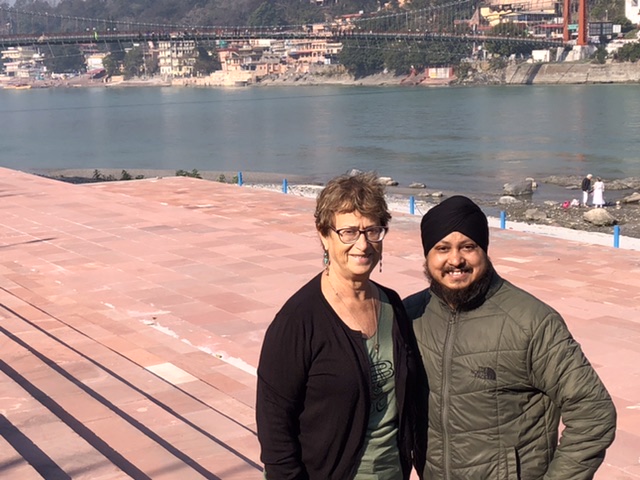
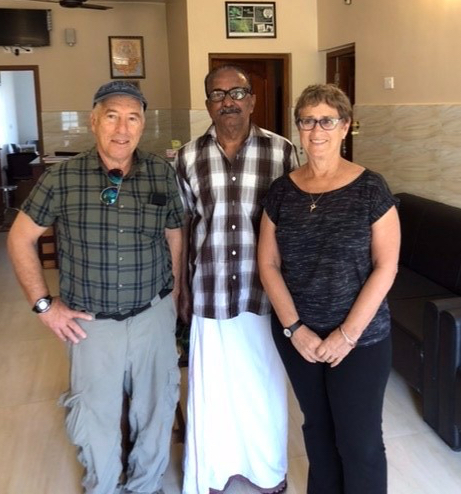
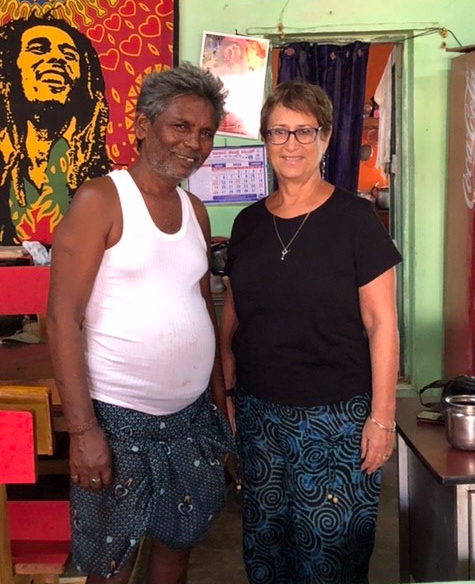
We’ve met with kindness, extraordinary customer service, warmth, and beauty all over India. We’ve been awed by the colors, the noise, the crowds of the huge cities and the striking isolation of much of the beaches, jungles, and countryside. And, still, Rishikesh inspires an attachment that’s different.
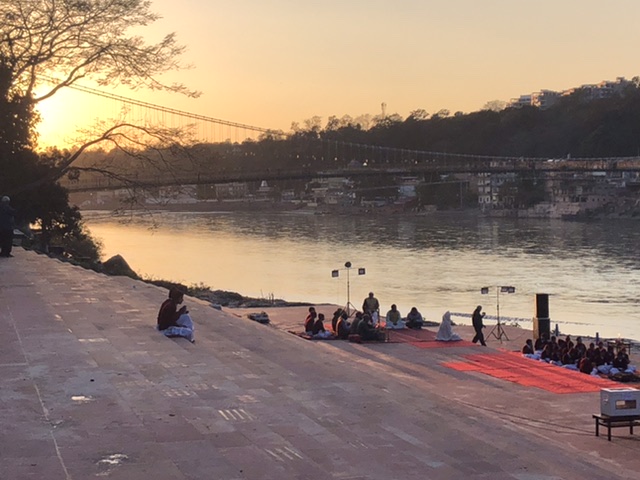
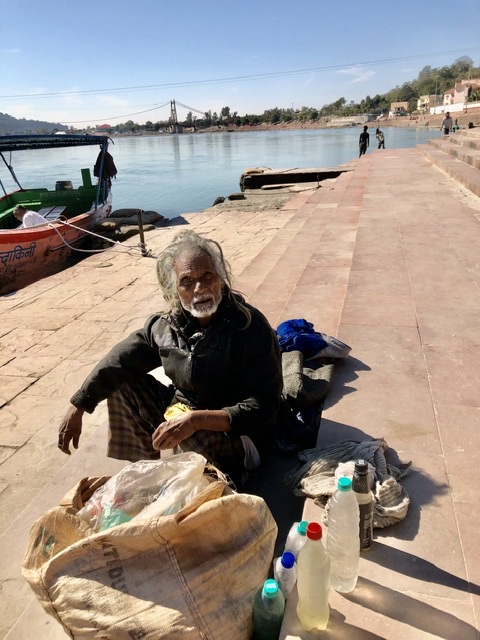
Maybe it’s The Ganges. Considered holy, originating from the matted hair of the Hindu god, Shiva, The Ganges starts in the western Himalayas, emptying finally into the Bay of Bengal. It becomes continually more polluted as it flows south and east. In Rishikesh it’s relatively clean. It also manages to be majestic and serene at the same time.

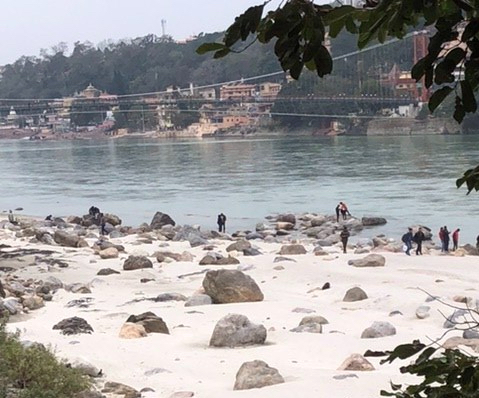
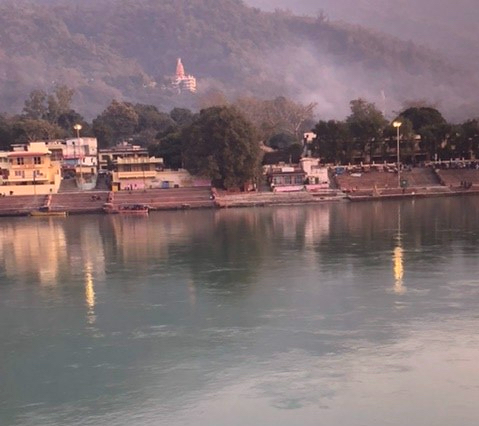


Half an hour before sunset, students and teachers from ashrams and schools congregate in their respective uniforms to sit by the river to prepare for the Puja ceremony. They chant to the music of the harmonium and the dholak drum. The ceremony culminates in fires being lit in small baskets of flowers, which are then put in the water to float downstream. As a Hindu ritual of reverence to the mother river, it is very removed from my own religion and culture. Yet the sound of the music and the sight of the small fires floating on the water are beautiful and moving. The respect for and love of the divine and nature found in India is close to my heart regardless of the different directions and beliefs that take us there.
Rishikesh is probably known best as the yoga center of India. Yoga practitioners from all over the world come to practice with Rishikesh yogis. Many of them come to take certification courses of varying lengths. From late February to mid-May it’s common to see people of all ages, speaking many different languages, walking through the streets of Rishikesh with a yoga mat slung over a shoulder.
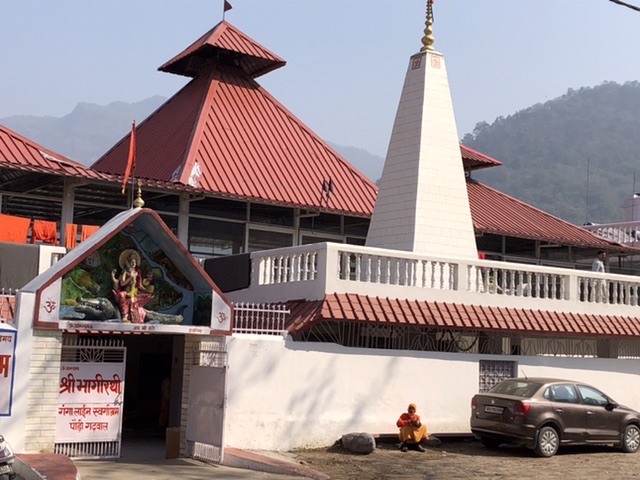
The city is equally well-known as a spiritual center, hosting gurus such as Moojii for annual month-long retreats. Preparations begin several weeks in advance and in addition to meditation and satsang sessions for registered retreatants, a daily public talk with a Q&A session is open to all.
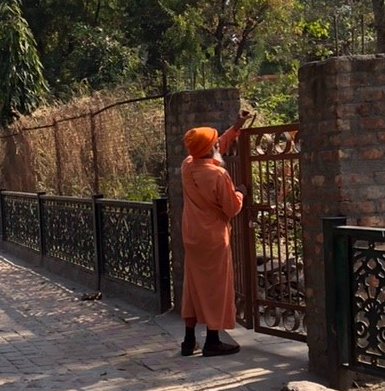
Orange is the color of Rishikesh. It is a sacred color in Hinduism, representing fire and the burning away of impurities. It’s the color worn by holy men…and many tourists. It brightens the atmosphere and, though thought garish in Western countries, is the norm in Rishikesh, just as the sound of bells – on anklets, cow collars and bags – is commonplace and cheery.
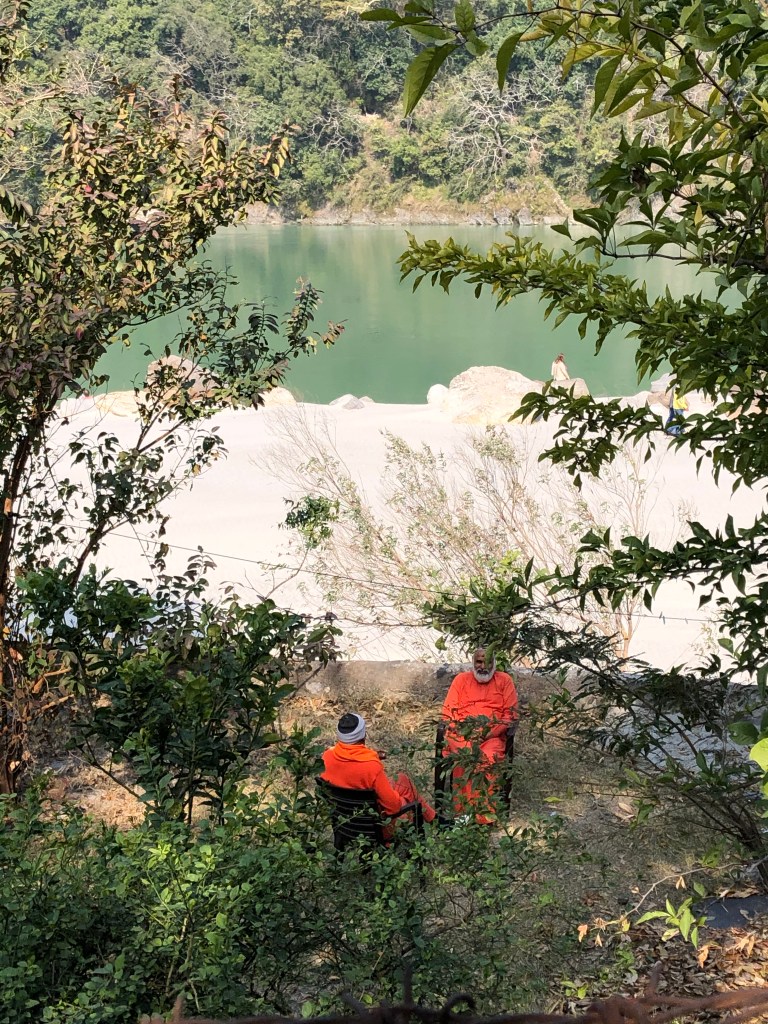
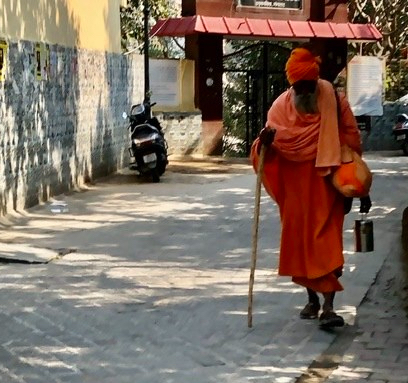
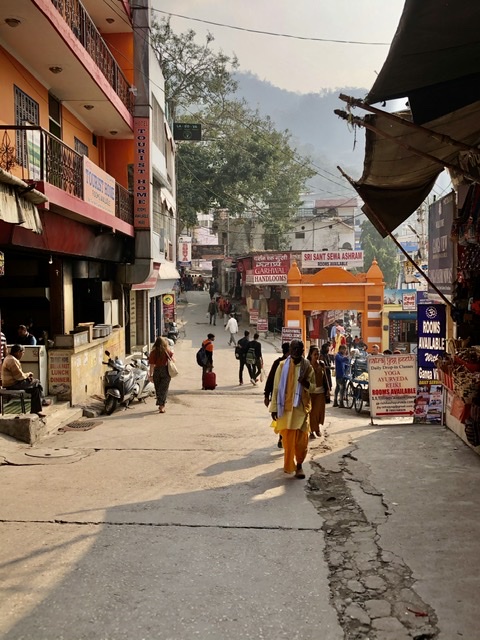

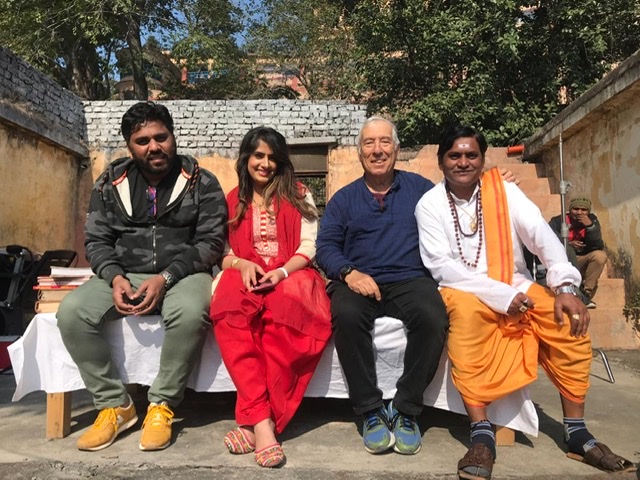
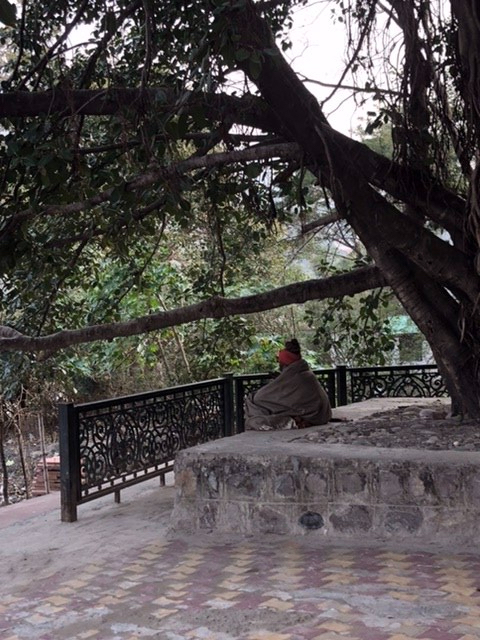
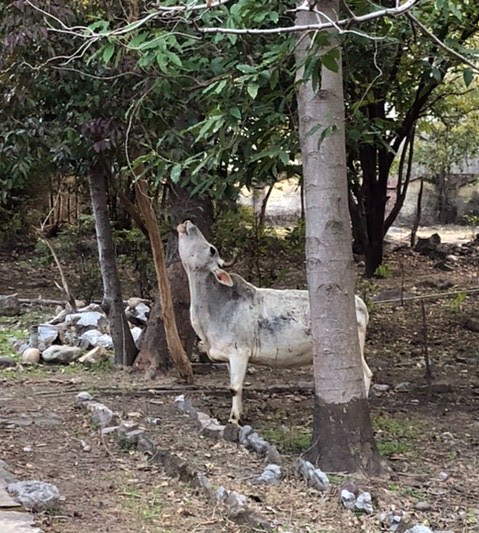
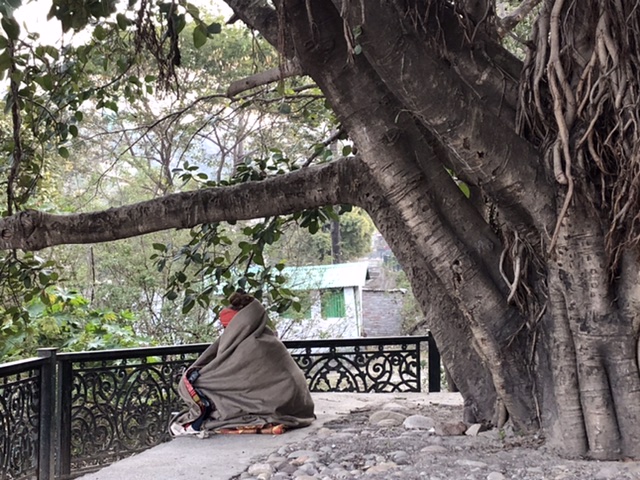
The Ganges, the chanting and music in the air, yoga, meditation, classes, cheery colors and sounds, cows and monkeys and dogs living in harmony with Sadus, spiritual seekers, tourists, shopkeepers and teachers. It’s all part of the magic of Rishikesh. But ultimately I really don’t know what it is about Rishikesh that imbues so many of us with peacefulness and calm smiles and burrows deep into our hearts.




The trick is safeguarding whatever that is and bringing it home with us.
 gettingoutalive