
Rishikesh circa 1968.
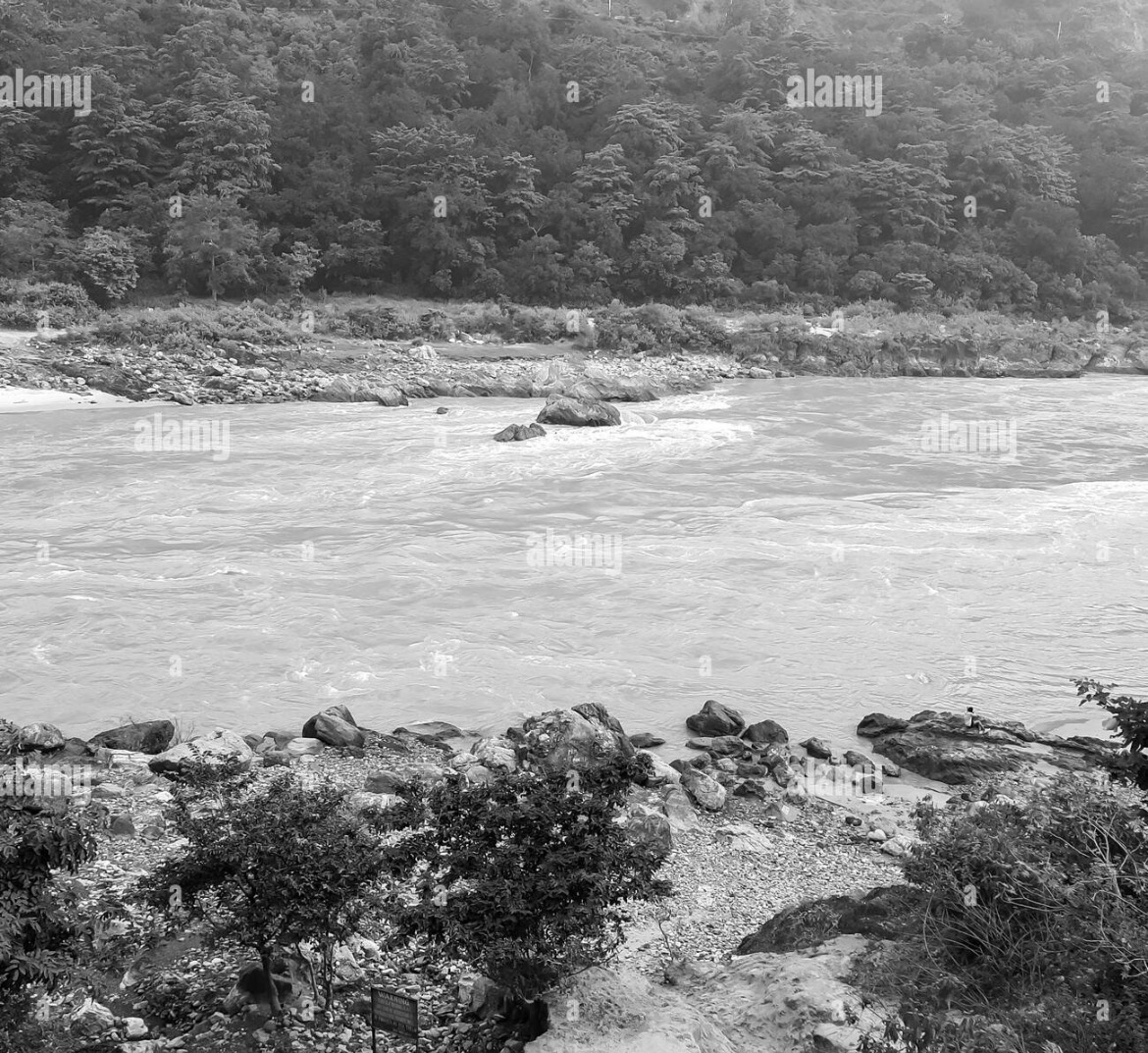
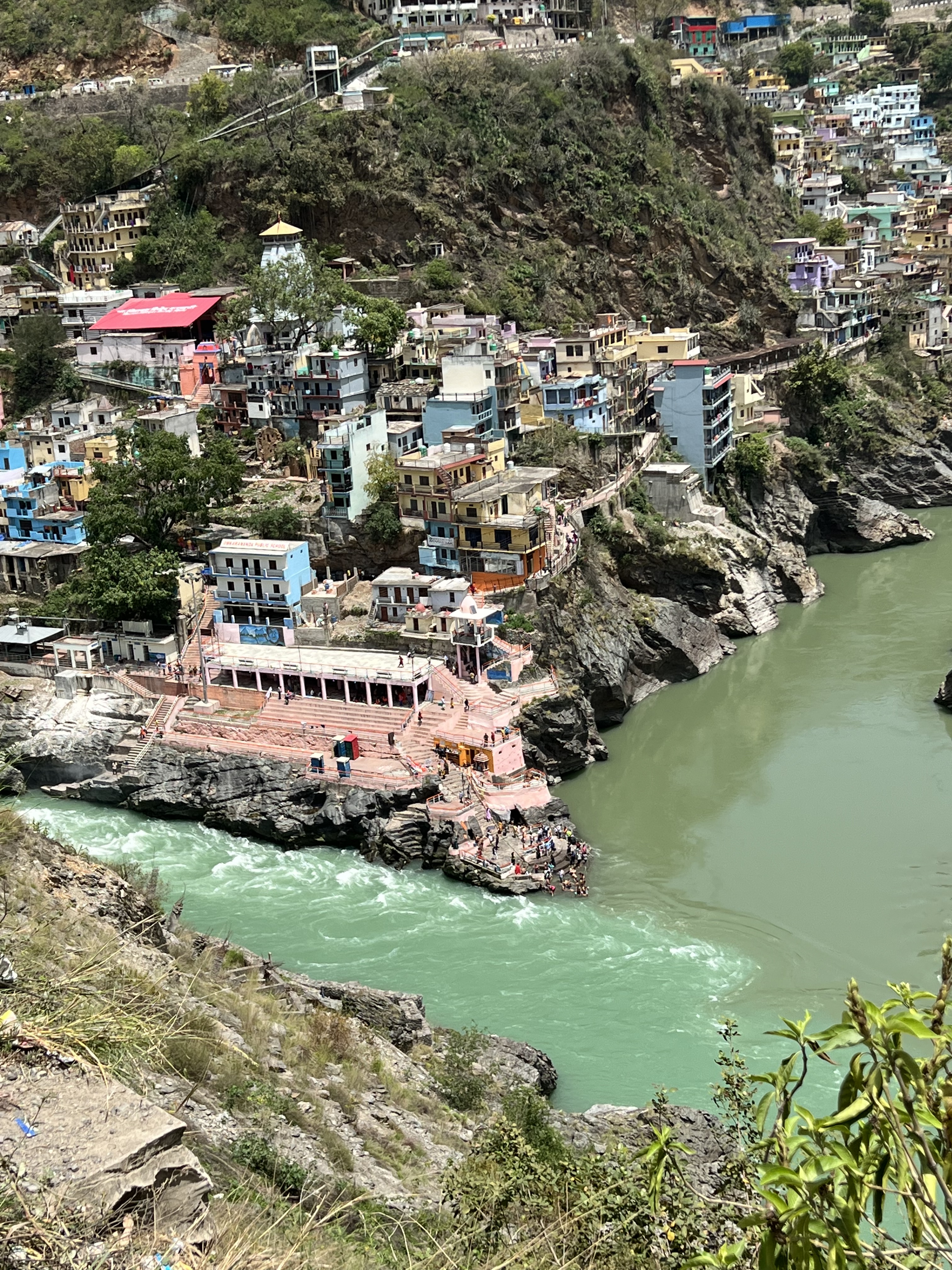
Undeveloped. A sleepy town of approximately 20,000 souls. Essentially a collection of isolated ashrams and small neighborhoods. It was primarily for dedicated Hindu pilgrims and ascetic monks (sadhus). Considered a sacred spiritual capital where meditation is believed to lead directly to Moksha (liberation from the cycle of birth), Rishikesh has served for centuries as an ideal environment for those who have renounced worldly life to focus on intense spiritual practice, penance, and the study of the ancient Hindu scriptures. There are laws against the possession of alcohol and meat products within the city limits to this day.
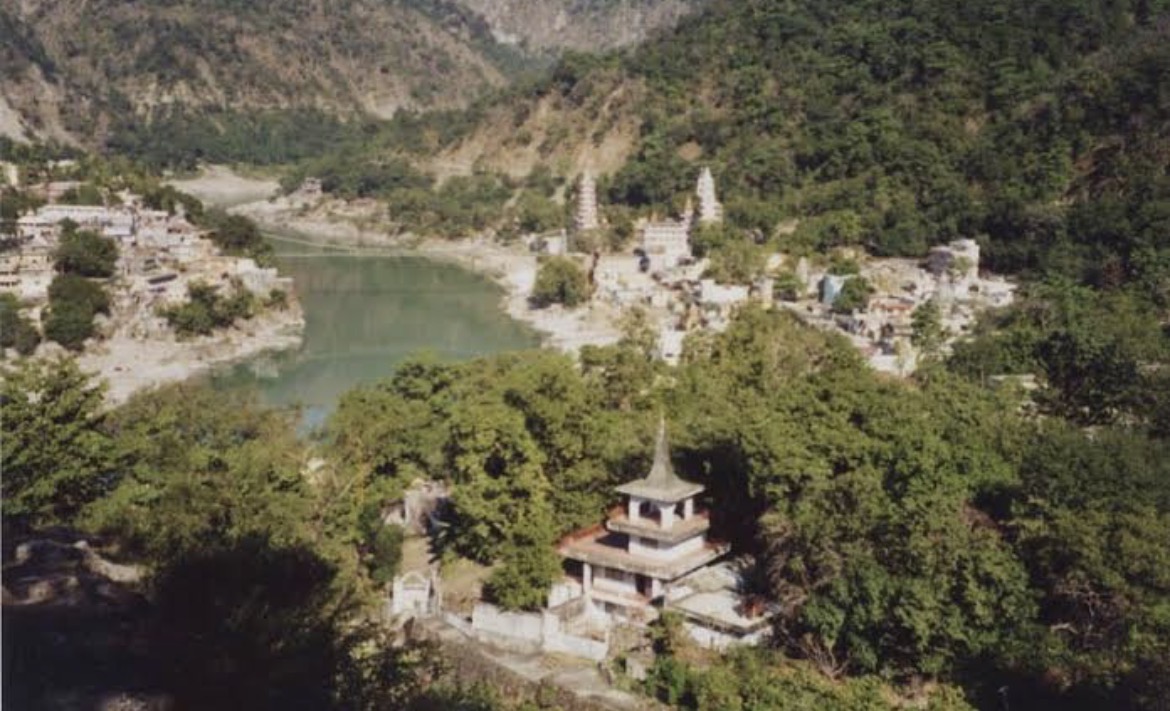
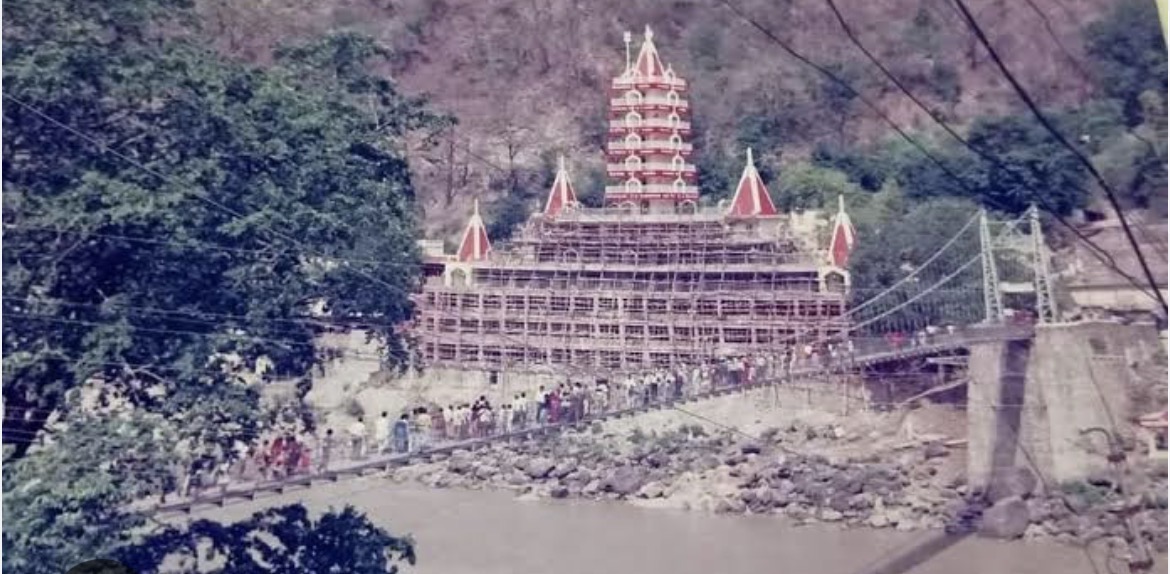
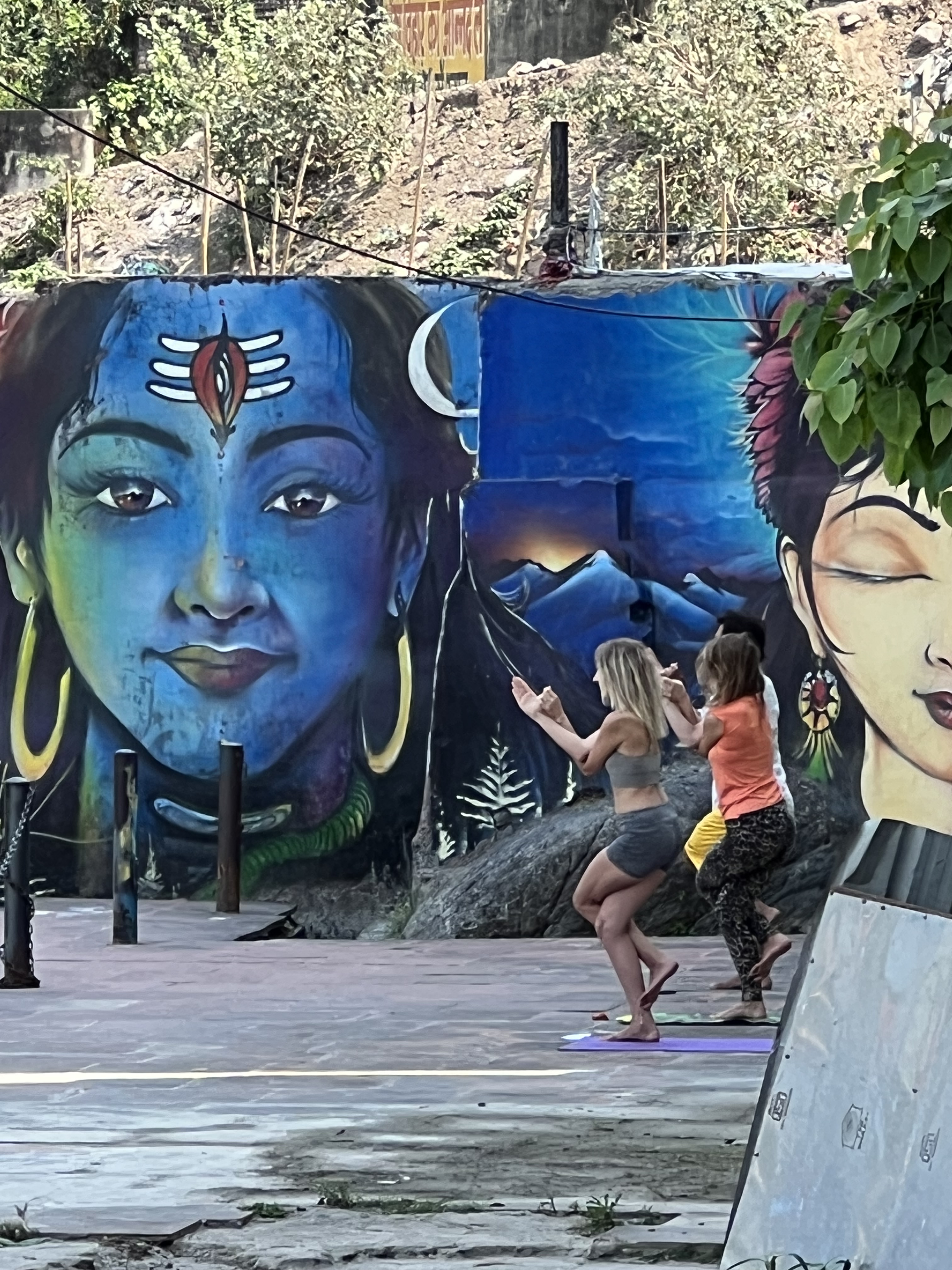
The Ganges River descends from the Himalayas and enters the plains at Rishikesh. The Holy Ganges is believed to originate from the hair of Lord Shiva, one of the three primary gods of Hinduism, as a lessening of the overwhelming destruction that would have befallen the people along its banks were it to be unleashed with no restraints. Its waters are clean there to this day.
In 1968 Rishikesh was still an ideal place for isolation and solitude. The surrounding forested hills and natural caves provided the deep quiet and stillness required for advanced meditation and sadhana – the conscious effort to refine one’s inner and outer self.
February, 1968, brought cataclysmic change to Rishikesh.
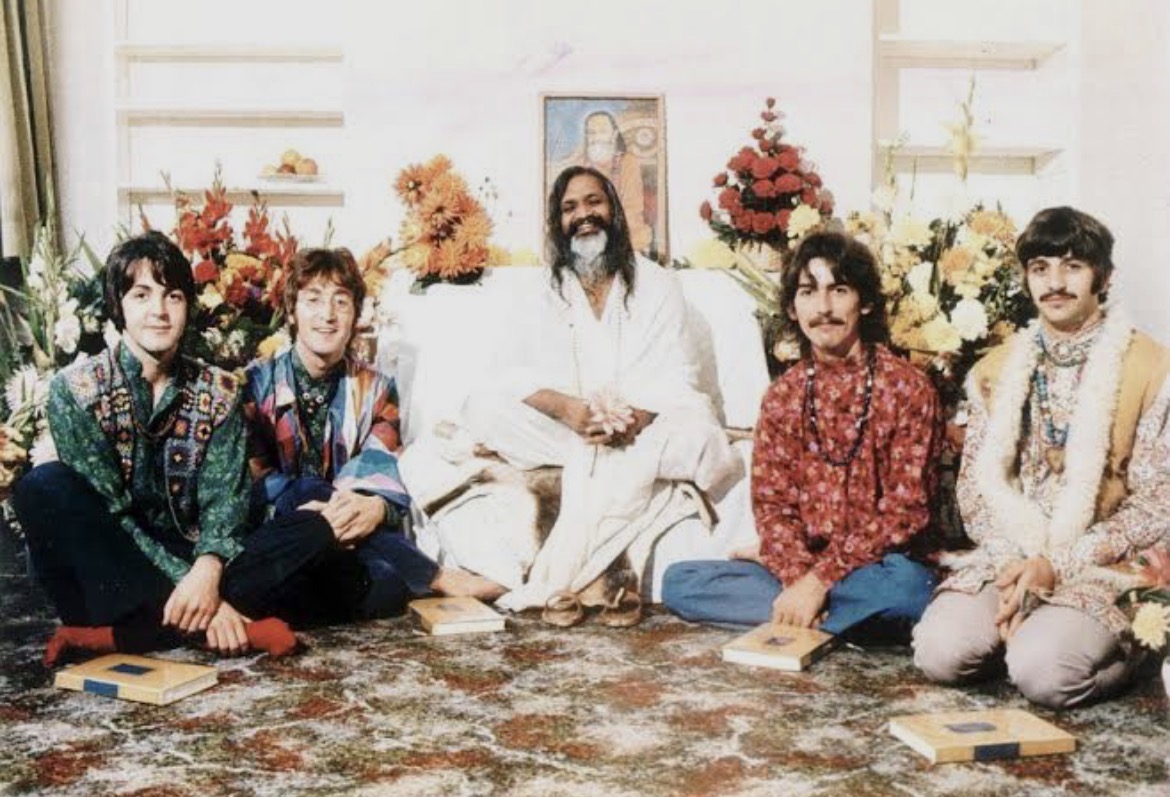
George Harrison’s wife, Pattie Boyd, had enthusiastically recommended Maharishi Mahesh Yogi’s lecture at the Hilton in London on August 24, 1967. John Lennon, Paul McCartney and George Harrison attended (Ringo was admirably with his wife, Mauareen, who had just given birth to their son, Jason.) After the public lecture they had a 90-minute private audience with the Maharishi.
The Fabulous Four cancelled their recording sessions to travel with the Maharishi by train to a 10-day retreat in Bangor, North Wales. It wasn’t long before they made the pilgrimage to Rishikesh to the Maharishi’s ashram, The International Academy of Meditation (today known as The Beatles’ Ashram) – 84 beehive-shaped meditation huts. 84 holds spiritual significance, representing the 8.4 million species believed to exist in Hindu philosophy or the 84 classic yoga postures.
Between February 1968 when the Beatles first came to Rishikesh to study at the ashram until mid-June 1968 when they made a dramatic departure from the ashram, later claiming rumors regarding the Maharishi’s inappropriate behavior toward female students (including Mia Farrow), Rishikesh’s population exploded from 20,000 to approximately double that. By 2011 the population was estimated to be 70,000. Today there are almost 250,000 residents in Rishikesh.
Aside from the rumors of inappropriate behavior, sadly a common rumor attached to many gurus (Bikram Choudhury, Yogi Bharani, K Pattabhi Jois, Amir Desai, Kausthub Desikachar and Osho, to name just a few), there were significant differences in lifestyle. The Maharishi strongly opposed the use of drugs particularly hallucinogens like LSD. He was repeatedly angry with the Beatles’ violation of the ashram rules by using drugs.
At the time, the Beatles, or some of the Beatles, felt that the Maharishi was exploiting their name for financial gain. In later years, however, both George Harrison and Paul McCartney expressed doubt about that initial judgment. Harrison visited the Maharishi in 1993 to ask forgiveness.
It’s my personal belief that the Maharishi, rumored to have been brought up in a comfortable, high status family, was familiar with the possibilities improved finances could provide for the spreading of Transcendental Meditation worldwide as well as in Rishikesh. He was a bit of an enigma which opened him up to detractors and devoted followers. When he traveled to spread his philosophy and practices he spared no expense. Private helicopters, private airplanes, an expensive car and driver. In his daily life he saw material wealthy as irrelevant, wearing simple robes, keeping a strict vegetarian diet, and living in the ashram under the same conditions as his followers.
I’ve experienced two yoga gurus in Rishikesh – both young men; one a Sikh and one a Hindu. I began learning with each of them when they were more or less just beginning to teach. One was an excellent teacher and very devoted to Ayurvedic practices. The other (the Sikh) was quite sweet and, while my own yoga practice was on a higher level than his, I enjoyed his approach to life and the practice.
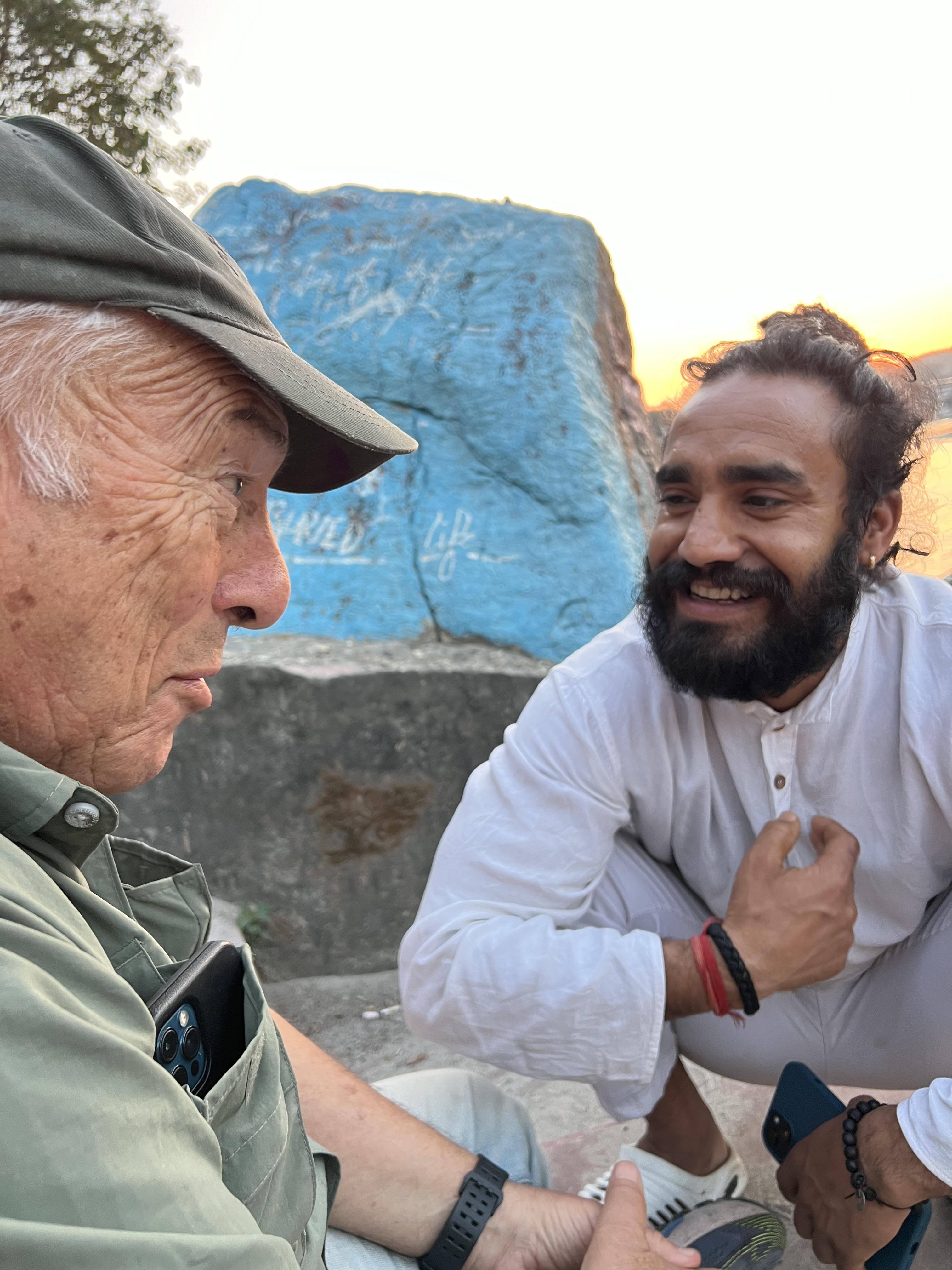
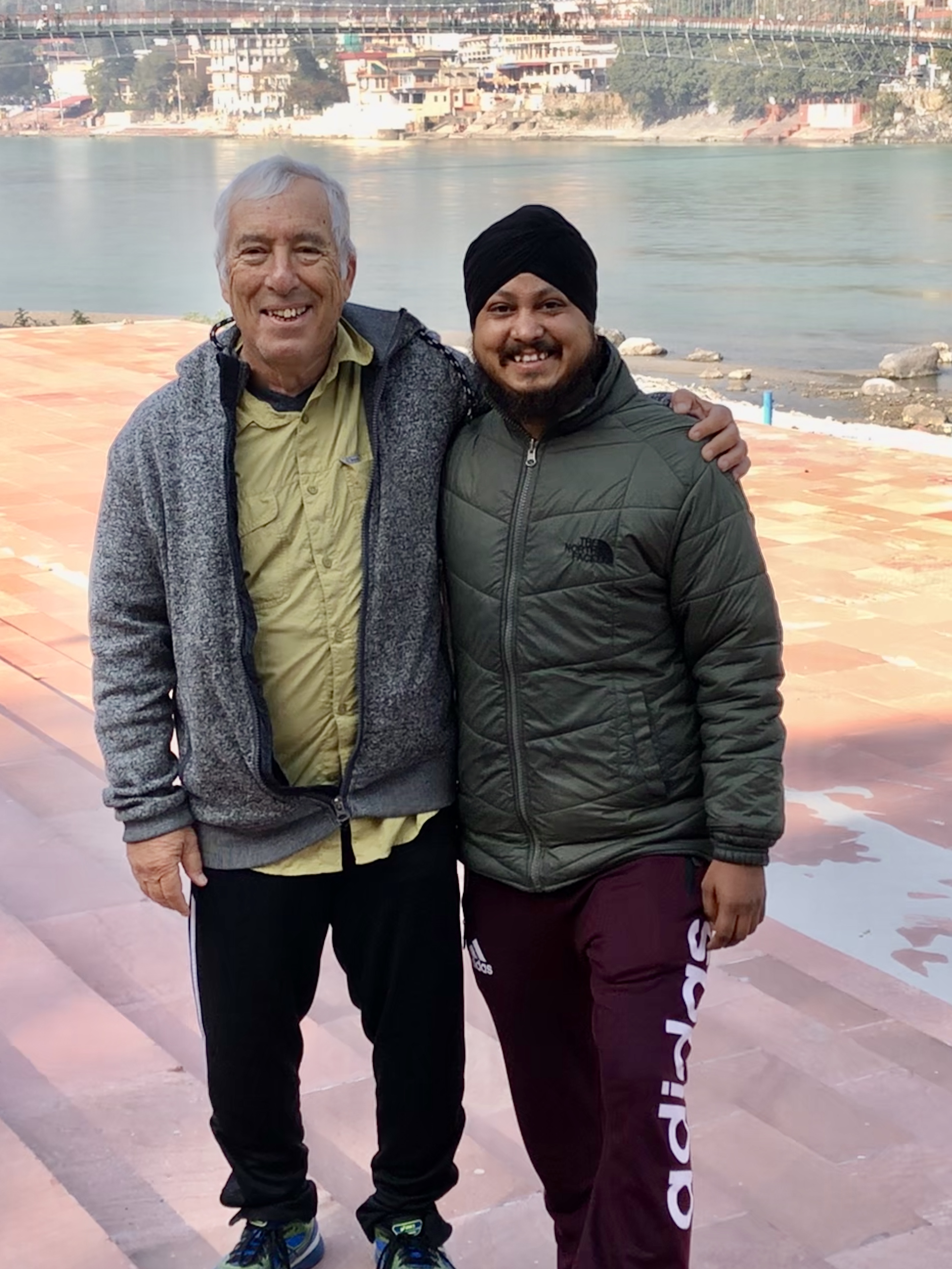
They both started out with the age old practice of Dana – there’s no set price for paying the teacher; one pays as she sees fit or can afford. As a Westerner, and a yoga teacher myself, I always paid well. But after a year or two each started charging a set price. The Sikh had started teaching Europeans, primarily Germans and Brits, online and was charging a pretty exorbitant price. The other guru charged a reasonable amount but preferred to teach 4 or 5 students at a time so that he could earn more. Reasonable but annoying as I no longer practiced yoga with him but my husband, who was a reluctant yogi, had started going every day and didn’t feel comfortable in a group.
The point being that there may be a cultural element involved in the world of remuneration when Westerners and Indians find themselves in new and unexplored waters. The Beatles and the Maharishi. Myself and my two yoga gurus.
While George Harrison remained the most dedicated to Indian spirituality and meditation, Paul McCartney and John Lennon both continued to practice Transcendental Mediation after their split from the Maharishi. Though other than Harrison’s trip to Rishikesh to ask forgiveness they did not spend more time in India, McCartney met up with the Maharishi again in Holland in 2008. John Lennon, the most angered and disillusioned, (writing “Sexy Sadie” about the Maharishi) summarized his feelings in The Beatles Anthology saying “We believe in meditation, but not the Maharishi.”
Fair enough.
The world of Eastern philosophy and the meditative way of life is not our Western philosophy or way of life. It has much to offer. My 30 years of study has certainly changed my life – and only for the better. Entry into that world should be done with care and understanding. There are adjustments to be made for it to be compatible with our lives. There are many young people, and not-so-young people, who have lost themselves and become mostly confused as a result of dabbling, or following the wrong teacher, too deeply and too far.
The town of Rishikesh has suffered from the reverse process; the uncontrolled, reckless entry of Western philosophy and way of life.
Noisy, crowded, commercial, chaotic, only the beauty of the mighty Ganges and the sweetness of the native population continue to save it from totally losing itself in confusion.
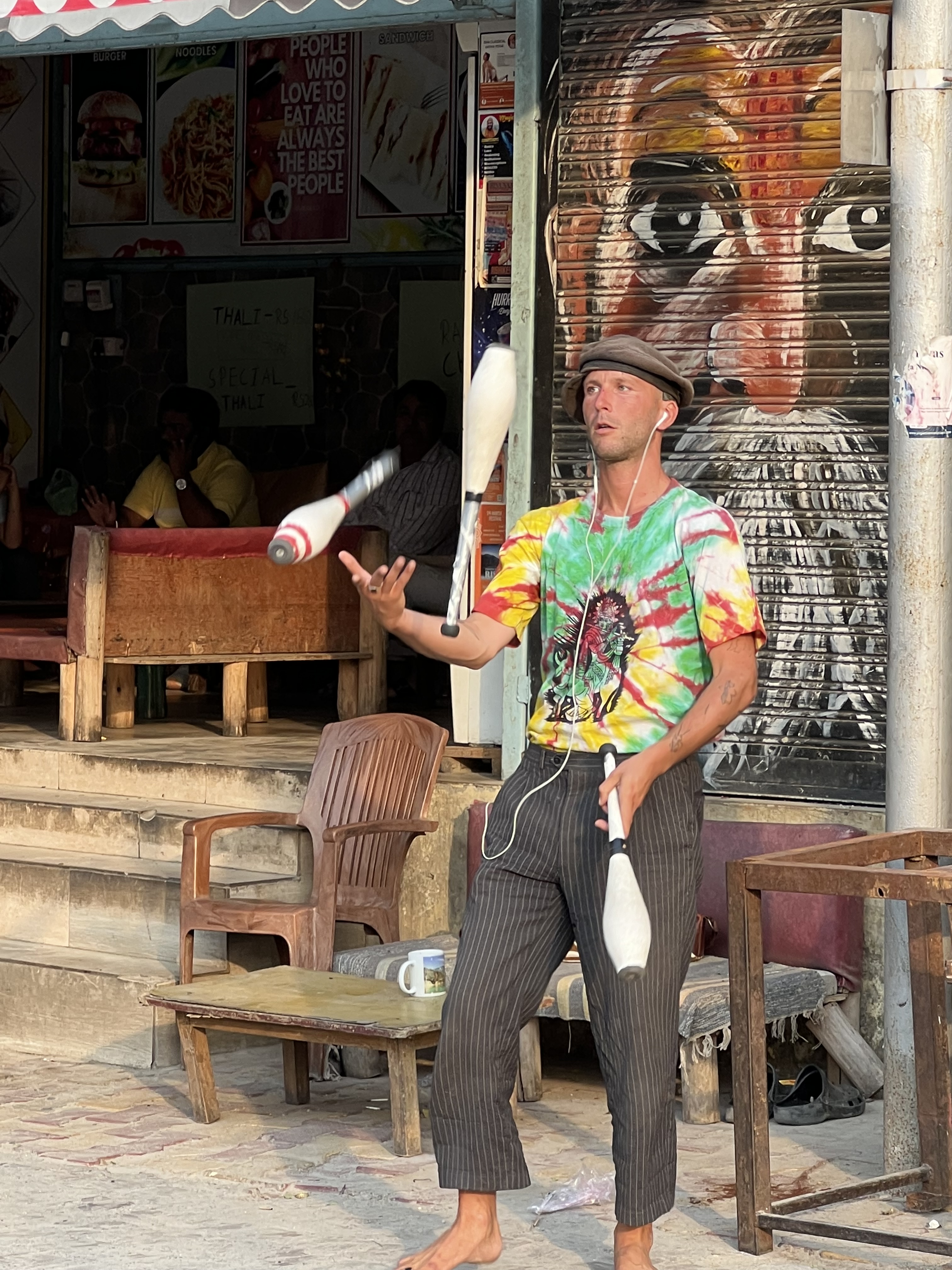
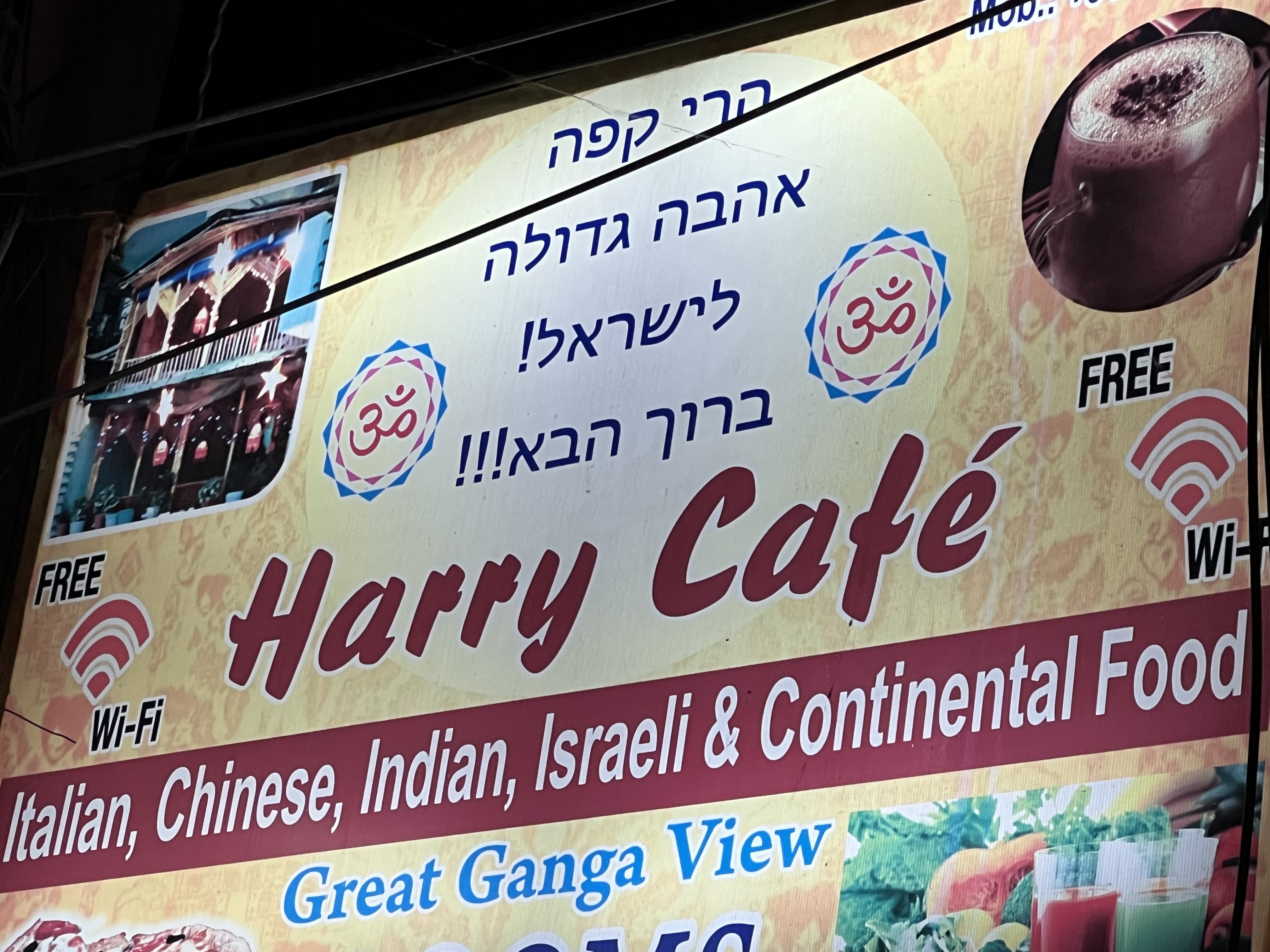
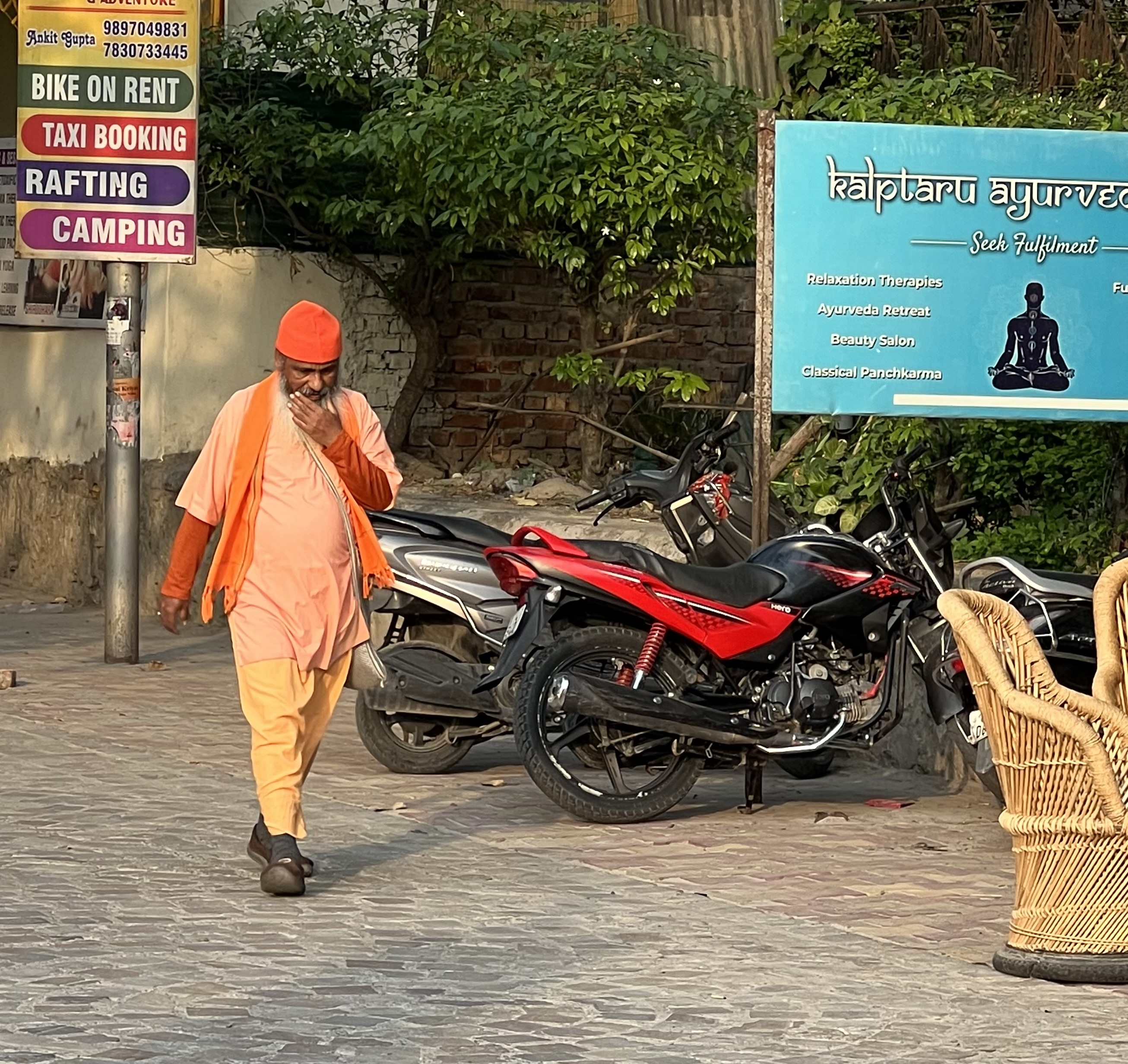

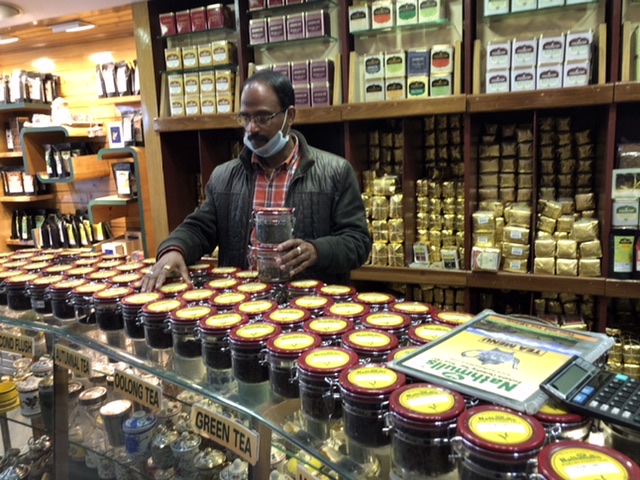
Walking down the street, both sides are filled with shops. Honking horns of motorcycles and jeeps carrying rafts keep pedestrians jumping out of the way. Many shopkeepers try to take advantage of language differences. Their currency- rupees – is not strong and often they want to make what amounts to an additional dollar, and, really, who can blame them, and, for most of us, who cares? But just this week I had a shop owner try to charge more than double the international price of gold.
That didn’t used to happen. It’s still an anomaly but not a good sign.
And, yet, as I write I can hear the evening Puja ceremony across the river and look out on the Ganges and anticipate a pleasant, perhaps familiar, server at one of our favorite restaurants. It will cost the equivalent of $3 or $4 and be delicious. I know that I’ll sit on the ghat tomorrow and watch the Ganges flowing past me and spend a pleasant two or three hours just being in the serenity that is still Rishikesh off the beaten path.
Rishikesh is still a place where one can…just be.
Namaste
 gettingoutalive