
Most of us acknowledge that we live in time and space. Many of us also recognize the existence of our soul. These, then, are the three elements in which we live our lives here on earth.
We are influenced by the time of the world that is the 21st century, the time of our specific (in my case baby boomer) generation, the time of our family, the time of our physical lives, the time that is this day, this hour, this minute. Our particular presence influences all those times – some more than others.
We are influenced by the space in which we live. Our country. Our town. Our neighborhood. Our school. Our place of employment. Our home. Our presence influences those spaces as we enter, leave, and re-enter them – some more than others.
Our soul manifests in our daily life as a subtle, animating force that moves us toward compassion, peace, and authenticity often acting as an inner voice or whisper that guides our choices beyond mere ego-driven survival. Often described as the invisible subject that witnesses life’s sensory inputs, it is a shift from body consciousness to a state of peace and empathy.
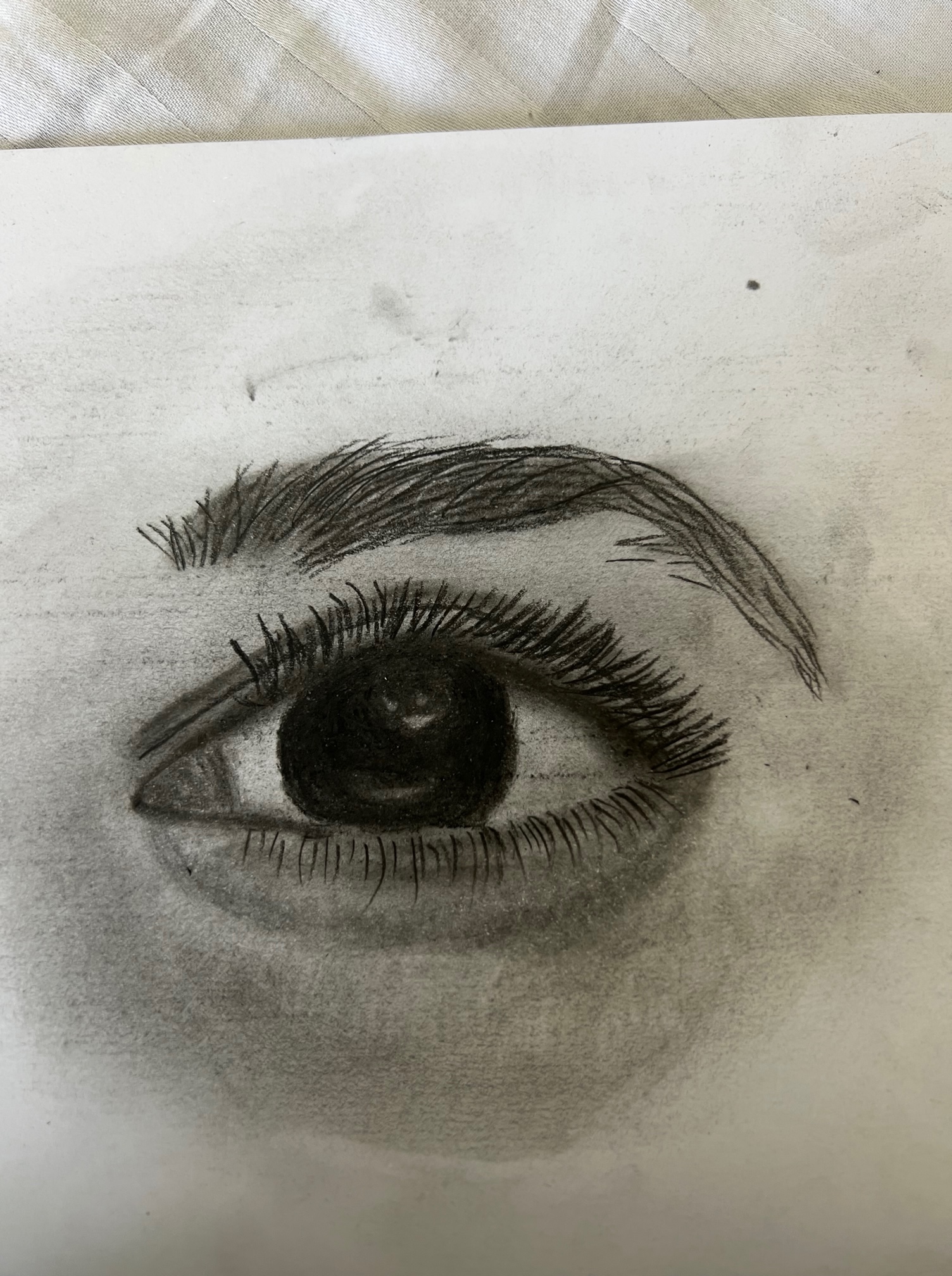
People we think we know, places we are intimately familiar with, times that seem indistinguishable from one another – never once has there been a person, place, or time that’s been repeated. The river of life is constantly flowing, and we can never reenter it at the same place. The present moment never was nor will it ever be again.
People, places and times all have an effect on us. And each of us has an effect on the people, places and times where we are present in any given moment.
Have you ever approached a small group of people and encountered a sudden silence?
Do you remember the indentation of your foot on the wet sand as a small wave goes back out to sea?
Did you watch the Berlin wall fall? The resignation of Richard Nixon? The change in attire in public places over the late 20th century?
Certain times, place, and people draw us closer to Divinity, closer to the authentic valued direction of our lives, just as certain times, places and people obstruct us from this path. These realities sometimes lead us to procrastinate in our journey toward the Divine, toward our own best selves.
If only this were happening at a different time, a different place, with different people. There will be a better time, place or person. When the semester ends. When I’ve found the right partner. When we can afford a bigger house. Tomorrow, tomorrow, and tomorrow.
Or we can realize that every ‘broken’ time or place or personal interaction occurs for us to have the opportunity to restore, mend, repair it with exactly the resources that we have at hand in that moment. Every moment, place, or person is a half life waiting to be completed by us, exactly as we are in that moment.
We are needed as much as we need others. And we do need others. In this moment.
And this moment.
And this one.
This person, time, place has been waiting especially for us and this moment. Maybe for a simple hello, a gesture, a smile, a nod. Pulling a weed, turning on a faucet, lighting a candle.
Right now, in this moment, in this place, there is a soul that is half. Maybe it’s your soul.
When we are living completely in the moment, we are living unfragmented. We are living with the full awareness and consciousness of our own Divinity. We are forging heaven and earth into a complete circle. No magic or complex spiritual devotions. Simple and profound recognition of here and now.
There is a parable of a person walking between small villages at night through a forest. Her last candle sputters out and she’s unclear of her path forward. Suddenly there is a bright flash of lightning and the entire road ahead, leading into the next village, is illuminated.

That flash of lightning is the present moment. Clarity is not to be found in the past or the future.
How many times, when in conversation, do we find ourselves having lost the thread of the other person’s thoughts because our minds were on possible responses?
Can we trace the source of our irritation with another’s speech or slowness of movement to our concern about our next task?
Do we find ourselves avoiding people who dress or look like people from our past with whom we’ve had unfortunate encounters?


What’s so hard about being in the present moment? Once we’re convinced of its importance for our mental health, our happiness, our relationships, our successes, getting to where we want to go, just do it.
Let’s carry out an experiment.
Find a comfortable place to sit. You can add a scent you love, calm music, wear comfy clothes, or come as you are to the place closest at hand. Arrange your limbs so that there’s no pressure on any joint. Sit up straight and close your eyes.
Now, clear your mind and stay present in every minute that arises.
Uh oh, my left forearm itches. And what is that annoying noise coming from upstairs?
Back to clearing the mind.
Did I remember to buy tortillas for tonight’s dinner? Tomato sauce? Did I put the beer in the fridge?
Back to clearing the mind.
And so it goes. It’s been called mental clutter or monkey chatter or life. It’s how we get pulled back to the conversation or outing that didn’t go as planned, to the broken wine glass, to a lost opportunity, and pulled forward to the next vacation, the day we’ve finally lose that last pesky 5 kilo, the clothes that our teenager has undoubtedly left on the floor in his room…again.
What did she really mean? Why don’t they listen to what I have to say? Why doesn’t this hotel room look like the photo on booking.com? How long will it take the airline to refund my money? Will they ever refund my money? How can I convince him that he’s going about it all wrong? The solution is so simple, why can’t she see it? Again with the complaints about the food?
What’s it all about, Alfie? In mediation we call it the underlying interests. What’s going on on the surface as opposed to what’s really the motivator. We can’t hear it if we’re living in a different moment.
Lech lecha…לך לך. The Jewish forefather, Abraham, heard God’s directive and listened to it carefully. A direction not to just physically leave his location but to go inward. Go into yourself. Discover who you really are. Until we do the work the present moment will continue to be elusive.
Until we quiet the cacophony of the never ending internal voices – our parents, our teachers, our friends, our colleagues, our spouses, our neighbors, and, perhaps the noisiest of all, our ego – we cannot hear the quiet, constant, inner voice we all possess. From that inner, authentic voice comes our ability to be in the present moment. And from the present moment, the only place that life is actually lived, emerges compassion, kindness, acceptance, seeing the other, understanding the underlying interests (even our own), inner quiet, and, ultimately, happiness.
This is who I am now, in this moment. This is where I am in this one precious life, in this moment.
I’m sitting with my friend. I’ve heard everything she’s said but I want to check to make sure I’ve understood what’s really going on.
I recognize my rising feeling of discomfort from having overstayed the time my life comfortably allows for getting back to work. I’ll be gentle but honest about our time having come to a close.
He associates not being able to walk into the kitchen because the floor’s just been washed with his mother’s obsession with cleanliness. It’s fine to go over where he’s walked so that he doesn’t have to face that particular demon.
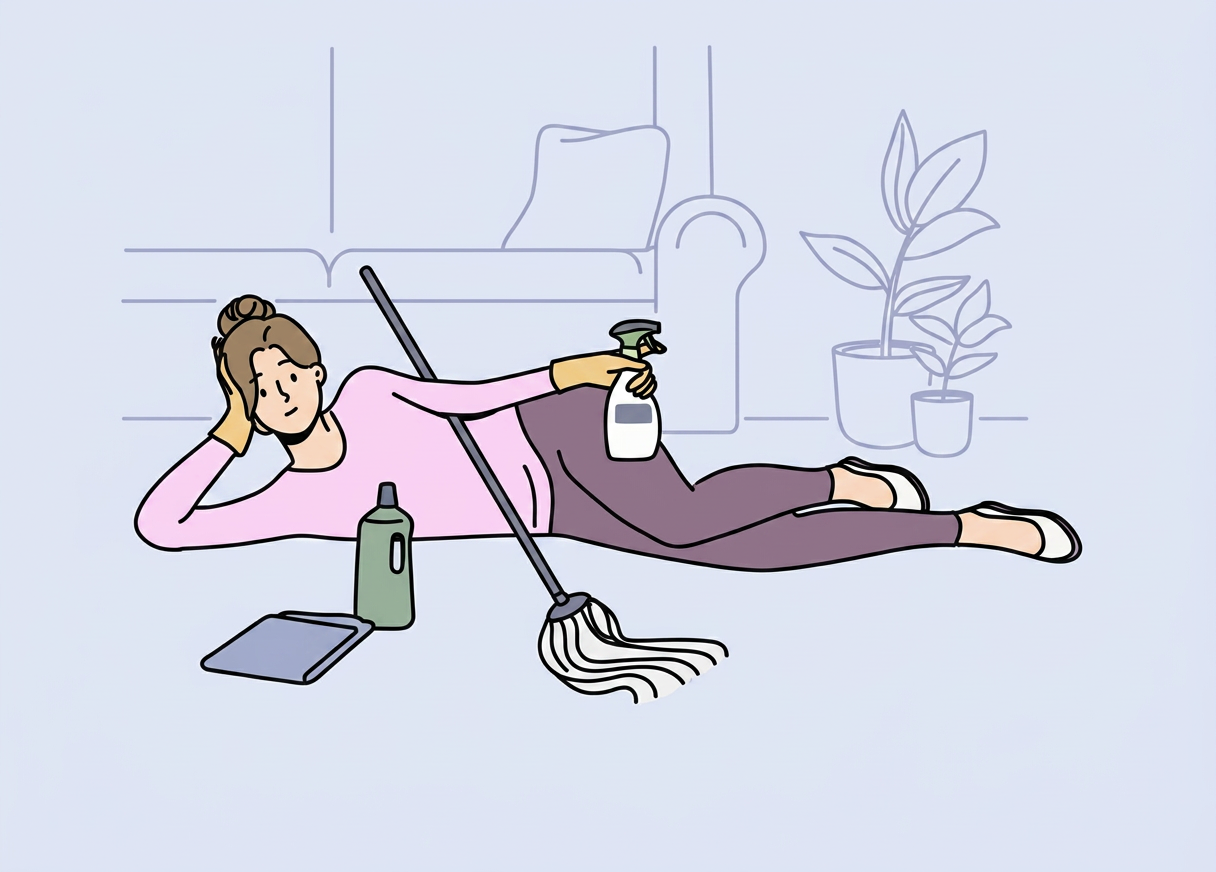
My stomach feels fluttery. My heart is pounding. What’s going on?
Nothing is actually going on in this moment. Maybe something went on a few minutes ago or I’m remembering something from yesterday or my mother’s last visit. Maybe it’s a vestigial remnant of a past danger.
I don’t know what’s going on. But something sure is. I feel anxiety threatening to overwhelm me.
How do we bring ourselves into the present moment when our bodies are in freeze or flight mode?
The answer is quite simple. Simple like being in the present moment in general. That is, simple in theory.
Just breathe.
We all do it. We do it all the time. But – and here’s the catch – we don’t notice that we’re breathing. It’s a spectacularly huge gift we’ve all been given at the very moment of our birth. It’s free. It accompanies us in every second of our lives without our having to make an effort.
And that’s the catch.
Let’s do an experiment.
Find a comfortable place to sit. You can add a scent, some calm music, comfy clothes or come as you are to the place closest at hand. Set a timer for five minutes. Arrange your limbs so there’s no pressure on any joint. Sit up straight and close your eyes.
Lech leicha – go into yourself.
Follow the breath rising in the middle of your body with your natural inhalation and descending in the middle of your body with your natural exhalation. After three breaths start counting slowly for the duration of your natural inhalation and a new count for the duration of your natural exhalation. After three breaths, if the count is unequal, add to the shorter of the two to equalize your inhalation and exhalation. If they’re equal add one count to each.
Let your belly pouch outward with the inhalation and draw inward with the exhalation. Let your chest rise slightly at the end of the inhalation and return to its natural resting place during the exhalation.
Feel your deepening breath.
If it suits you, hold your breath at the end of the next inhalation, releasing it when your body invites your exhalation. Remain at the bottom of your exhalation until your body asks for new air.
Now, just breathe.
Paying close attention to your inhalation, the holding of breath, your exhalation, and the stillness of your body momentarily emptied of breath.
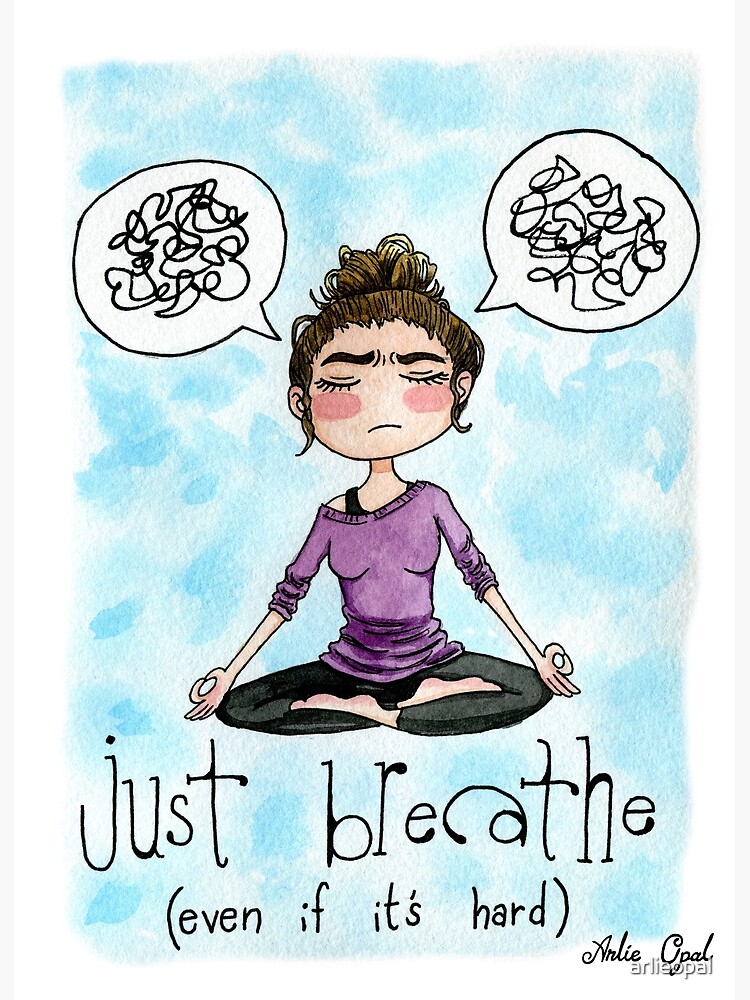
With the sound of the timer, slowly open your eyes.
Do you feel calmer?
Nothing has changed. You’ve simply allowed yourself to return to the present moment. The very definition of anxiety is the fear of something that hasn’t happened. It might happen. It might not happen. Anxiety is amorphous.
As Mark Twain once said: “I’ve had a lot of worries in my life, most of which never happened.”
Anxiety feeds on imagined future scenarios rather than present reality, but our bodies experience them as quite real. Our conscious breathing brings us back to the present moment where the causes of our anxiety are somatically recognized as non-existent.
Living in the present moment is not a fad. It’s not New Age. It’s not woke. It may be all those things but it’s also none of those things.
Living in the present moment allows us to be in touch with the spirit of Divinity that resides in each and every one of us – believers, agnostics, and atheists alike.
Living in the moment reduces stress and anxiety, brings greater joy and contentment in simple everyday activities, improves our health and mental clarity, improves our relationships with others and with ourselves.
Letting go of the need to control everyone and everything around us. (and, truly, was there ever a more unrealistic goal?) Acknowledging and accepting that our way isn’t the only way; sometimes not even the best way for ourselves!

The obstacles can be troublesome:
ego
sloth
ill will
restlessness and worry
doubt
These hindrances, if not managed, lead to unskillful actions and unhappiness – exactly the opposite of living in the present moment. Paradoxically, perhaps frustratingly, they are managed through meditation, mindfulness, breathing and cultivating opposing mental states such as lovingkindness for ill will.
No one said having a calm life would be easy.
But so worth it.

It’s a lifelong process.

